Category: Injury Blog

Your blog category

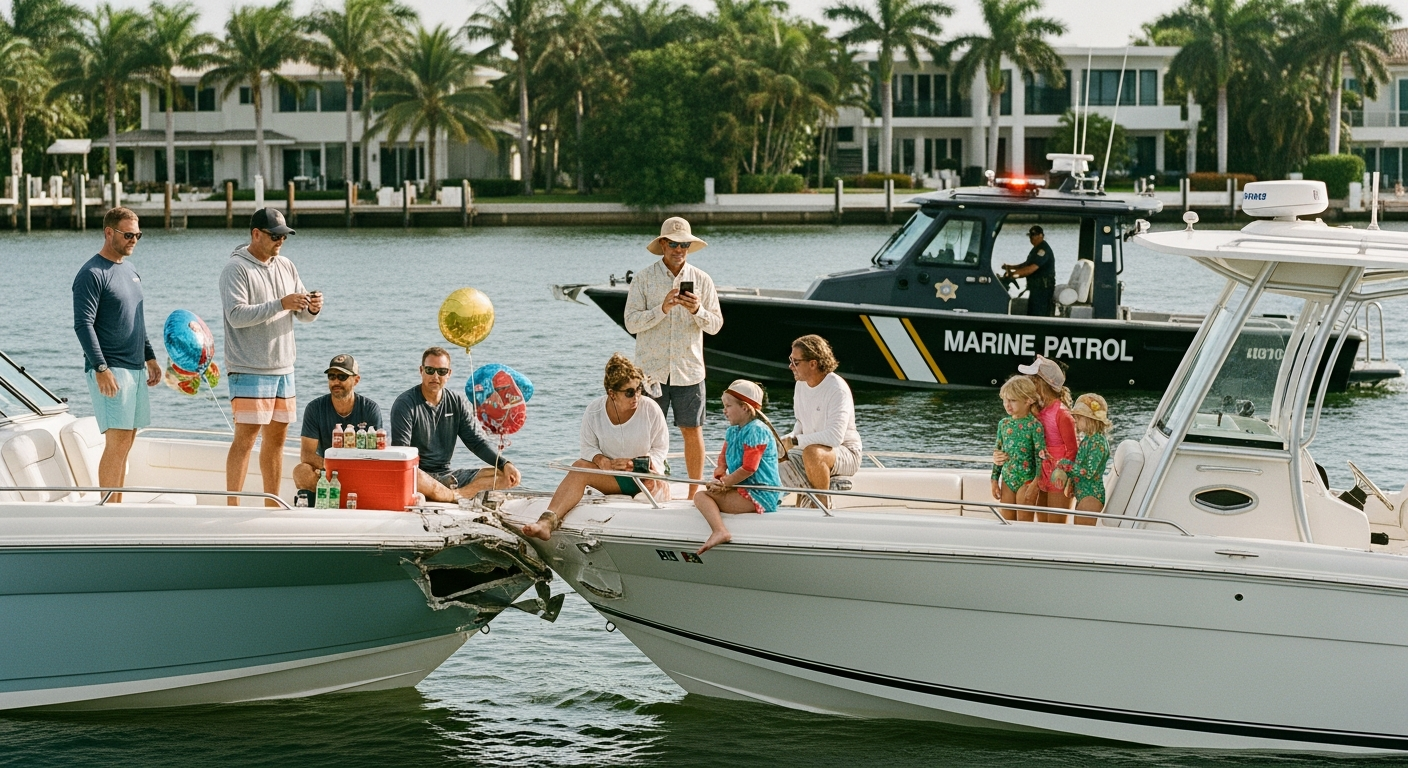
  • Boat Accident Injuries in Jupiter and Fort Lauderdale During the Holiday Season

    Boat Accident Injuries in Jupiter and Fort Lauderdale During the Holiday Season

    Florida’s waterways transform into high-risk areas during celebrated local events, like the holiday boat parades and crowded Sandbar Days.Suffering boat accident injuries in Florida during a recreational outing, especially on the congested Intracoastal Waterway, is traumatic. The complexity of filing an injury claim increases dramatically when negligence occurs amid heavy traffic, often involving a blend of Florida state laws and US federal laws.

    As expert local personal injury lawyers, Britto & Herman understand the stress that follows a severe marine incident in Jupiter or Fort Lauderdale. We know the local marine culture and the tactics insurance adjusters use to downplay claims. Our law firm provides the guidance needed to quickly establish liability and navigate the legal complexities unique to these high-traffic waterways.

    Navigating an Intracoastal Waterway Injury Claim: Key Takeaways

    When a Florida resident is injured in a high-traffic area, you must act immediately to protect your right to compensation:

    • Act Fast: The deadline for filing an Intracoastal waterway injury claim is often three years under Federal Maritime Law, making prompt legal consultation mandatory. Missing this deadline is one of the quickest ways to forfeit your rights entirely.
    • Beware of Fault: Due to Florida’s strict modified comparative negligence rule, being found more than 50% at fault bars you from recovering any damages. Insurance companies will immediately try to shift blame onto you or the operator.
    • Report Immediately: Strict deadlines (48 hours for injury/death), from the Florida Fish and Wildlife Conservation Commission (FWC), must be met to ensure the official marine accident report is filed correctly. This report is crucial evidence for any future lawsuit.

    The Unique Risks of Jupiter & Fort Lauderdale Events

    Events like the annual Christmas Boat Parades and busy Sandbar Days are major local attractions, but they multiply the risk of severe holiday boating collisions. The area sees high rates of operator inattention and BUI (Boating Under the Influence) during these festive periods, particularly at night. This high-traffic congestion, often combined with nighttime visibility issues and large wakes, makes navigating the Intracoastal a hazardous activity and increases the likelihood of a high-profile Jupiter, FL boat parade accident. Even a small error can cause a chain-reaction collision involving several vessels and passengers.

    Understanding Owner and Rental Liability

    Determining who is financially responsible for boat accident injuries in Florida often goes beyond the operator.

    Owner Liability: A boat owner can be liable if they fail to maintain the vessel, leading to mechanical failure. More commonly, they are liable for “negligent entrustment” if they allow an incompetent, reckless, or intoxicated person to operate their boat.

    Rental Company Liability: Rental companies have an increased duty of care. They can be held liable if the accident was caused by mechanical failure due to poor maintenance, inadequate safety equipment, or failure to properly screen or provide basic instruction to the renter. We investigate all parties, including marinas and manufacturers, to ensure maximum recovery.

    Florida’s Strict 50% Fault Rule

    Liability in a marine incident is determined by negligence. However, Florida adheres to the rule of modified comparative negligence. According to Florida Statutes  768.81, if a person is found to be greater than 50% at fault for their own injuries, they are legally barred from recovering any damages at all. This rule is an aggressive defense tactic used by insurance companies to deny claims. They will immediately search for any way to prove you contributed to the injurywhether by standing in an unsafe area or distracting the operator. Expert legal representation is essential to defend your claim against this harsh rule.

    Urgent Reporting and Maritime Deadlines

    The law requires swift action. Under Florida Statute 327.301, the operator must report a boating accident to the FWC if it results in bodily injury requiring medical care beyond first aid, death, disappearance, or property damage of at least $2,000. Failure to meet these 48-hour or 10-day deadlines can jeopardize your claim.

    Furthermore, the location of the crash is key: accidents on the Intracoastal Waterway and the ocean are governed by Federal Maritime Law, which often imposes a shorter, crucial three-year Statute of Limitations, overriding the state’s standard four-year timeline. Missing this shorter deadline is catastrophic to your ability to recover.

    Get Clarity on Your Marine Injury Claim Today

    If you or a family member suffered serious boat accident injuries in Florida, don’t let the threat of the 50% fault rule or confusing deadlines compromise your future. Insurance companies are already working to assign you over 50% fault. Britto & Herman Injury Lawyers is ready to provide the expert, comprehensive legal support needed to manage your claim. Contact Britto & Herman now for a free consultation.

    A Holiday Boating Collision Shouldn’t Define Your Future

    A holiday boating collision shouldn’t define your financial future. The key is seeking prompt legal counsel to navigate the 50% fault bar and the strict Maritime Law deadlines, ensuring you recover the maximum possible compensation. We handle all complexities, from BUI investigations to multi-party liability, so you can focus entirely on your recovery.

    Questions About Boat Accident Injuries in Florida

    Dealing with insurance and liability after a crash abroad can be confusing. Here are three frequently asked questions related to filing a claim for boat accident injuries in Florida:

    What is the single most common cause of boating accidents? 

     According to FWC data, operator inattention and improper lookout are the leading causes of non-fatal accidents. This negligence is often aggravated by excessive speed and intoxication, particularly during high-traffic events like the Jupiter Florida boat parade accident.

    What is the exact deadline to file suit if I was injured on the Intracoastal? 

    If the injury occurred on the navigable Intracoastal Waterway, Federal Maritime Law applies, which imposes a crucial three-year Statute of Limitations for injury claims. This is shorter than the standard state deadline and requires an attorney familiar with Admiralty Law.

    Can I still recover if I was a passenger and partly at fault? 

    Yes, but only if you are found 50% or less at fault under Florida’s modified comparative negligence rule. If your negligence (e.g., distracting the driver) is judged to be 51% or more, you are legally barred from receiving compensation for your Intracoastal waterway injury claim.

    About Britto & Herman Injury Lawyers

    Britto & Herman Injury Lawyers is a trusted Florida personal injury law firm committed to protecting the rights of accident victims. Our attorneys bring extensive experience handling complex cases, including multi-jurisdictional and marine claims that involve insurance disputes, contested liability, and variations in state laws. We focus on delivering strategic, results-driven representation designed to help clients pursue the maximum compensation available. You can explore our credentials and long-standing dedication to legal excellence.
  • Understanding Spinal Cord Compression After a Car Accident in Jupiter, Florida

    Understanding Spinal Cord Compression After a Car Accident in Jupiter, Florida

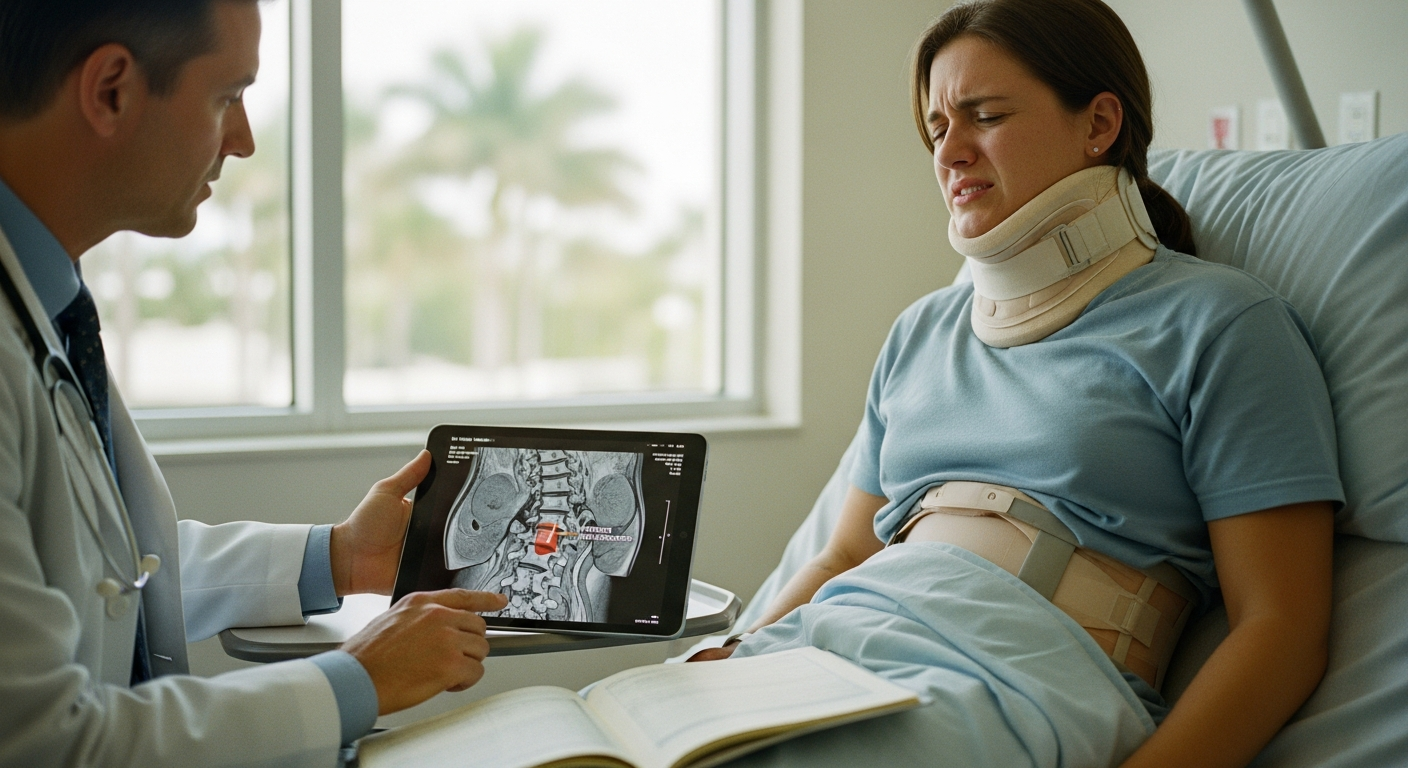
    Spinal cord compression happens when a sudden jolt, like the force of a collision, causes a bone fragment or a herniated disc to push against the spinal canal. Although car accidents may appear minor at first, they can leave victims with devastating hidden injuries. One of the most serious is spinal cord compression, a condition where pressure on the spinal cord disrupts nerve signals. Left untreated, it may cause paralysis, chronic pain, or lifelong disability. This injury demands immediate medical attention and strong legal protection, especially when insurers attempt to minimize its impact.

    At Britto & Herman Injury Lawyers, your local spinal injury lawyer in Florida, we focus on gathering the necessary neurological evidence to show precisely how spinal cord compression has changed your daily life and your ability to work. We have helped clients in Jupiter and Palm Beach County secure the compensation needed to move forward.

    Key Takeaways for Spinal Cord Compression Cases

    • Spinal cord compression requires urgent medical evaluation. 
    • Symptoms can escalate from mild tingling to paralysis. 
    • Vehicle crashes remain the leading cause of spinal cord injuries nationwide. 
    • Florida law provides recovery for both financial and personal losses. 
    • A spinal injury lawyer can protect your rights and maximize your claim.

    Understanding Spinal Cord Compression

    Spinal cord compression occurs when bone, disc fragments, or swelling press against the spinal cord. This pressure blocks communication between the brain and body. Car accidents often trigger compression through vertebral fractures, dislocated discs, or tissue swelling.

    The National Institute of Neurological Disorders and Stroke explains that compression can impair sensation, movement, and organ function, either immediately or hours later, due to swelling. Early MRIs and prompt medical assessments confirm the diagnosis and help build strong accident claims.

    Recognizing the Symptoms of Spinal Cord Compression

    Symptoms vary, but usually worsen without treatment. Recognizing them quickly protects both health and legal claims.

    Early symptoms:

    • Tingling or numbness in the arms, hands, legs, or feet. 
    • Weakness or reduced grip strength. 
    • Ongoing neck or back discomfort. 

    Advanced symptoms:

    • Difficulty walking or balancing. 
    • Loss of bladder or bowel control. 
    • Severe back or neck pain. 
    • Partial or total paralysis. 

    The Mayo Clinic – Spinal Cord Compression emphasizes that ignoring these warning signs risks permanent disability. Symptom journals and timely medical visits provide essential evidence for attorneys handling spinal injury claims.

    Early recognition and treatment protect health and facilitate the creation of strong legal documentation.

    How Car Accidents Cause Spinal Cord Compression

    Crashes deliver sudden force to the spine, resulting in fractures, herniated discs, or torn ligaments. High-speed impacts, rollovers, or even rear-end collisions are frequent causes.

    The National Spinal Cord Injury Statistical Center – 2023 Facts and Figures reports that vehicle accidents account for nearly 37.6 percent of new spinal cord injuries in the U.S., with about 18,000 cases each year. Rehabilitation averages 31 days, and lifetime medical and care costs for severe injuries can exceed $5.8 million.

    For Jupiter residents, these numbers highlight the importance of pursuing claims that account for lifelong costs, not just initial hospital stays.

    Long-Term Health Effects and Complications

    Spinal cord compression can permanently change a victim’s life. Even with treatment, many individuals continue to face ongoing challenges.

    Common long-term effects:

    • Partial or complete paralysis. 
    • Chronic pain and reduced mobility. 
    • Muscle weakness or spasticity. 
    • Respiratory complications and higher infection risk. 
    • Bladder and bowel dysfunction. 

    Risks linked to long-term injuries:

    • Pressure sores, blood clots, and urinary tract infections. 
    • Depression and emotional distress. 
    • Ongoing financial hardship from medical bills and lost wages. 

    These consequences demonstrate why settlement negotiations and court cases must consider future care, not just short-term costs.

    Diagnostic Imaging for Spinal Cord Compression

    Diagnostic testing is critical for both treatment and legal proof of injury.

    Tools include:

    • X-rays: Reveal fractures and spinal alignment issues. 
    • CT scans: Detect over 98 percent of clinically significant cervical fractures, according to the American College of Radiology. 
    • MRI scans: Identify compression caused by discs, bone fragments, or swelling and help predict recovery outcomes. 

    Legal importance:

    • Provides objective evidence of injury severity. 
    • Establishes a timeline between the accident and diagnosis. 
    • Counters insurer’s arguments that symptoms are unrelated. 

    Strong diagnostic evidence strengthens both medical care and claims.

    Treatment and Recovery Options

    Treatment often begins with emergency care and may continue for the remainder of a person’s life. A combination of surgical and rehabilitative strategies is typical.

    Emergency and surgical care:

    • Decompression surgery to relieve spinal pressure. 
    • Steroids to reduce inflammation. 
    • Stabilization procedures to realign the spine. 

    Rehabilitation and ongoing care:

    • Physical therapy for mobility and strength. 
    • Occupational therapy to adapt daily routines. 
    • Psychological support for mental health challenges. 
    • Adaptive equipment such as wheelchairs and braces. 

    Johns Hopkins Medicine stresses the importance of rehabilitation for regaining independence.

    Comprehensive treatment plans improve outcomes and ensure injury claims fully reflect the accident’s impact.

    Protecting Your Rights After a Spinal Injury

    Florida law, under Florida Statute 768, allows recovery for both economic and non-economic damages, including medical bills, rehabilitation, lost wages, and emotional distress.

    Visit our Practice Areas page to learn how our attorneys advocate for spinal injury victims across Florida. Without legal support, many victims accept settlements far below the actual cost of their injuries.

    Proving Your Spinal Cord Injury Claim

    Insurers often dispute spinal injuries. Strong evidence reduces the chance of denial.

    Key evidence includes:

    • Medical records and imaging results. 
    • Expert testimony from neurologists and rehabilitation specialists. 
    • Daily journals of symptoms and limitations. 
    • Family and witness statements about changes in ability or behavior. 

    Conclusion: Careful documentation builds a convincing case for maximum compensation.

    Calculating Compensation for Spinal Cord Compression

    Compensation should reflect both direct costs and long-term effects.

    Economic damages:

    • Emergency care and hospitalization. 
    • Surgery and long-term rehabilitation. 
    • Home modifications and assistive technology. 
    • Lost wages and diminished earning capacity. 

    Non-economic damages:

    • Chronic pain and suffering. 
    • Emotional distress. 
    • Loss of independence and reduced quality of life. 

    The Centers for Disease Control and Prevention highlights the nationwide burden of motor vehicle crash injuries, reinforcing the importance of full compensation.

    Conclusion: Calculating damages requires accurate documentation and a skilled legal strategy to secure fair and equitable compensation.

    Family and Community Challenges

    Spinal cord compression affects entire families. Loved ones often become caregivers, balancing medical needs with the added stress of financial and emotional responsibilities. Home changes, reduced income, and daily care responsibilities can overwhelm households.

    Our firm has guided Jupiter families through these realities. While money cannot erase trauma, fair compensation offers the resources necessary to restore stability and quality of life.

    Frequently Asked Questions About Spinal Cord Compression

    1. Can spinal cord compression heal without surgery? Some mild cases improve with therapy, but many require surgery or ongoing treatment to avoid permanent damage. 
    2. What is the average settlement for spinal cord injury claims in Florida? Severe cases may result in multi-million-dollar recoveries due to the lifelong care expenses incurred. 
    3. How long after a car accident can symptoms appear? Symptoms may start immediately or develop gradually over several days or weeks. 
    4. Do I need a specialist to prove my spinal cord injury? Yes, neurologists and imaging experts provide the evidence required to confirm compression. 
    5. What if the insurance company denies my claim? A spinal injury lawyer can appeal denials, gather further evidence, and take the case to court if necessary. 

    Talk to Britto & Herman About Protecting Your Future

    If you or a loved one suffered spinal cord compression after a car accident, you do not have to face the future alone. Contact us today for a free consultation. Our attorneys will explain your rights, guide you through the process, and advocate for the maximum compensation you deserve. With our contingency fee policy, you pay nothing unless we secure a favorable outcome. Choosing Britto & Herman means ensuring your health, finances, and future.

    About Britto & Herman Injury Lawyers

    Learn more about Britto & Herman, a Florida firm dedicated to representing accident victims in Jupiter and Palm Beach County. Daniel D. Britto, a Florida Bar Board Certified Civil Trial Attorney, and Michael S. Herman, Jr., with decades of courtroom experience, lead the team. Together, they provide trusted, compassionate, and results-driven advocacy.

  • How to Spot and Avoid Common Insurance Company Tricks After an Accident

    How to Spot and Avoid Common Insurance Company Tricks After an Accident

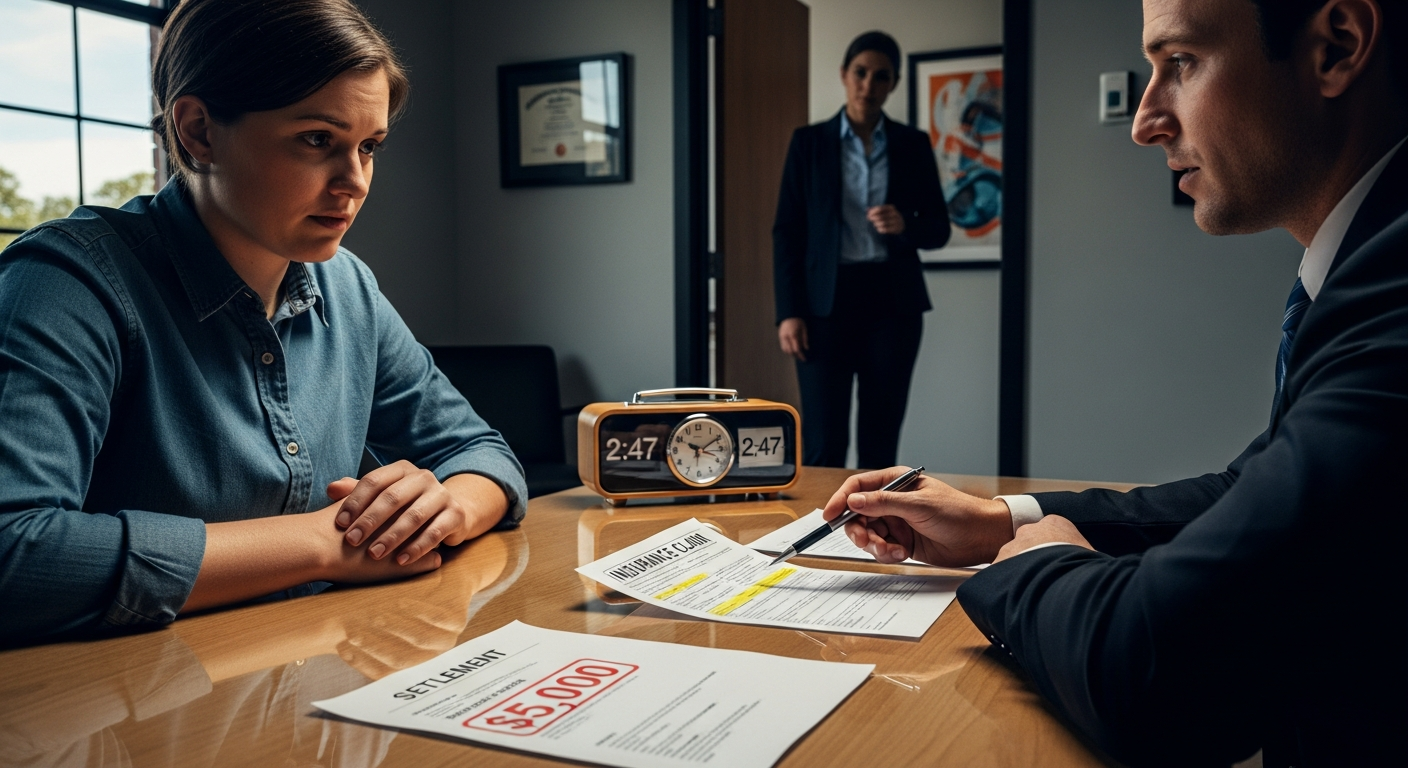
    When the dust settles after a car crash, your first instinct is to trust your insurance company. You expect honesty and fairness, but it is important to know that many insurance company tricks after an accident are designed to prioritize profits over people. Knowing how to spot these insurance company tricks after an accident can make the difference between a fair recovery and a financial setback.

    At Britto & Herman Injury Lawyers, our attorneys have spent years holding insurers accountable for unfair practices. Here’s what really happens when you file a claim and how to protect yourself from being taken advantage of.

    What the Insurance Company Won’t Tell You: Key Takeaways

    • Adjusters aim to reduce payouts, not maximize fairness.
    • Avoid giving recorded statements without legal advice.
    • Early offers undervalue claims.
    • Florida law protects you from bad faith practices (e.g., Florida Statute 0627.736).
    • A skilled auto accident lawyer in Florida ensures fair compensation and peace of mind.

    Why Their Main Goal is to Use Insurance Company Tricks After an Accident

    It is helpful to know that insurance adjusters are not advocates for victims; their primary role is to save the company money. They are often trained to use specific insurance company tricks after an accident to settle claims as quickly and cheaply as possible.

    That’s why consulting an attorney early helps level the playing field and prevents insurers from exploiting loopholes.

    Tactics Used to Get You to Admit Fault

    An adjuster’s friendliness can hide a strategy. They might ask questions like, “Were you distracted?” or “Could you have avoided the accident?” These questions are designed to make you accept part of the blame. Under Florida’s comparative fault law (Florida Statute 768.81), even small admissions can reduce your payout. Stay polite, but don’t discuss fault details until your lawyer is present.

    Why You Should Never Accept the First Offer

    The first settlement offer is rarely fair. Studies from the Insurance Information Institute show that early settlements can undervalue injury claims by up to half their real value. Adjusters rely on stress, medical bills, and lost wages to push for quick settlements.

    A personal injury lawyer can identify every cost you deserve, including future treatment, lost wages, and emotional distress. Taking time to review your claim often results in higher compensation.

    The Importance of Recorded Statements (and Saying No)

    When an adjuster asks to record your statement, it may sound routine, but it’s actually a risk. You are not required to provide a recorded statement to another driver’s insurer. These recordings can be twisted later. Respond with, “I’ll cooperate once I’ve spoken with my attorney.” This keeps your credibility intact.

    Common Insurance Company Tricks After an Accident Involving Delays

     A standard insurance company trick after an accident is simply to wait you out. Adjusters might say they are “still reviewing your file” to wear you down until you are willing to accept a much lower offer. Florida’s bad faith insurance statute (Florida Statute 624.155) allows victims to act if an insurer unreasonably delays or denies claims.

    A report from the Bureau of Justice Statistics stated that half the auto tort cases were disposed of within 14 months. A lawyer ensures that every delay is documented and promptly challenged.

    Psychological Pressure: How Adjusters Exploit Stress and Confusion

    After a crash, victims face physical pain and financial strain. Adjusters use false sympathy or urgency to rush decisions. They might say that hiring a lawyer will slow your claim, but that’s untrue. An attorney ensures your case progresses smoothly and fairly.

    Recognizing these tactics helps you stay calm and make informed decisions.

    What “Bad Faith” Really Means Under Florida Law

    Bad faith happens when an insurer acts unfairly toward a policyholder. Examples include ignoring valid claims, making low offers, or failing to provide clear explanations for decisions. Florida law requires filing a Civil Remedy Notice before initiating a lawsuit. This gives the insurer 60 days to correct issues.

    Britto & Herman assists clients in filing notices and pursuing damages when insurers act in bad faith.

    Recognizing a Lowball Offer

    Lowball offers are common after crashes. Signs include vague math, no written explanation, or pressure to accept quickly. Victims can request a written breakdown of each settlement component. Comparing their figures with medical and repair costs exposes undervaluation.

    Your Rights as an Injury Victim

    Florida’s Unfair Insurance Trade Practices (Florida Statute 501.201-213) protects victims. You have the right to timely communication, clear explanations, and fair claim evaluation. If an insurer violates these standards, you can file a complaint with the DFS or seek legal action.

    Working with a Florida personal injury attorney ensures your rights are respected and your claim receives proper attention.

    When to Bring a Lawyer Into the Conversation

    If you feel pressured or ignored by an insurer, it’s time to call an auto accident attorney in Florida. Legal counsel stops intimidation and ensures your evidence supports your claim. We handle negotiations, documentation, and representation so you can focus on healing.

    Frequently Asked Questions: Your Helpful Guide

    1. What should I do if an adjuster calls right after my accident?
      Avoid giving statements or signing documents. Refer them to your attorney.
    2. Can I sue my insurer for bad faith?
      Yes. Florida Statute 624.155 lets you file if your insurer negligently delays or undervalues your claim. But there are many prerequisites to bad faith claims that you should discuss with an attorney.
    3. How long do insurers have to settle claims in Florida?
      They must acknowledge claims within 14 days and resolve them within 90 days, unless there are disputes that require further investigation.
    4. Is it legal for insurers to delay my claim?
      Unjustified delays may constitute bad faith under Florida law (e.g., Florida Statute 0627.70131).
    5. When should I hire a lawyer?
      Immediately after an accident or when you notice a delay, pressure, or lowball tactics.

    Get Help from Britto & Herman Injury Lawyers

    Insurance companies have playbooks, but so do we. If your insurer delays, denies, or pressures you, contact Britto & Herman today for a free consultation. We’ll review your case, explain your rights, and handle the insurer while you focus on recovery. You pay nothing unless we win.

    About Britto & Herman

    Learn more about Britto & Herman’s personal injury attorneys, Daniel D. Britto and Michael S. Herman Jr., who bring years of courtroom experience and a proven record of results for accident victims throughout Jupiter and Palm Beach County. At Britto & Herman Injury Lawyers, we believe integrity and persistence are the keys to justice.

  • How to Document a Car Accident PTSD Claim in Jupiter, FL

    How to Document a Car Accident PTSD Claim in Jupiter, FL

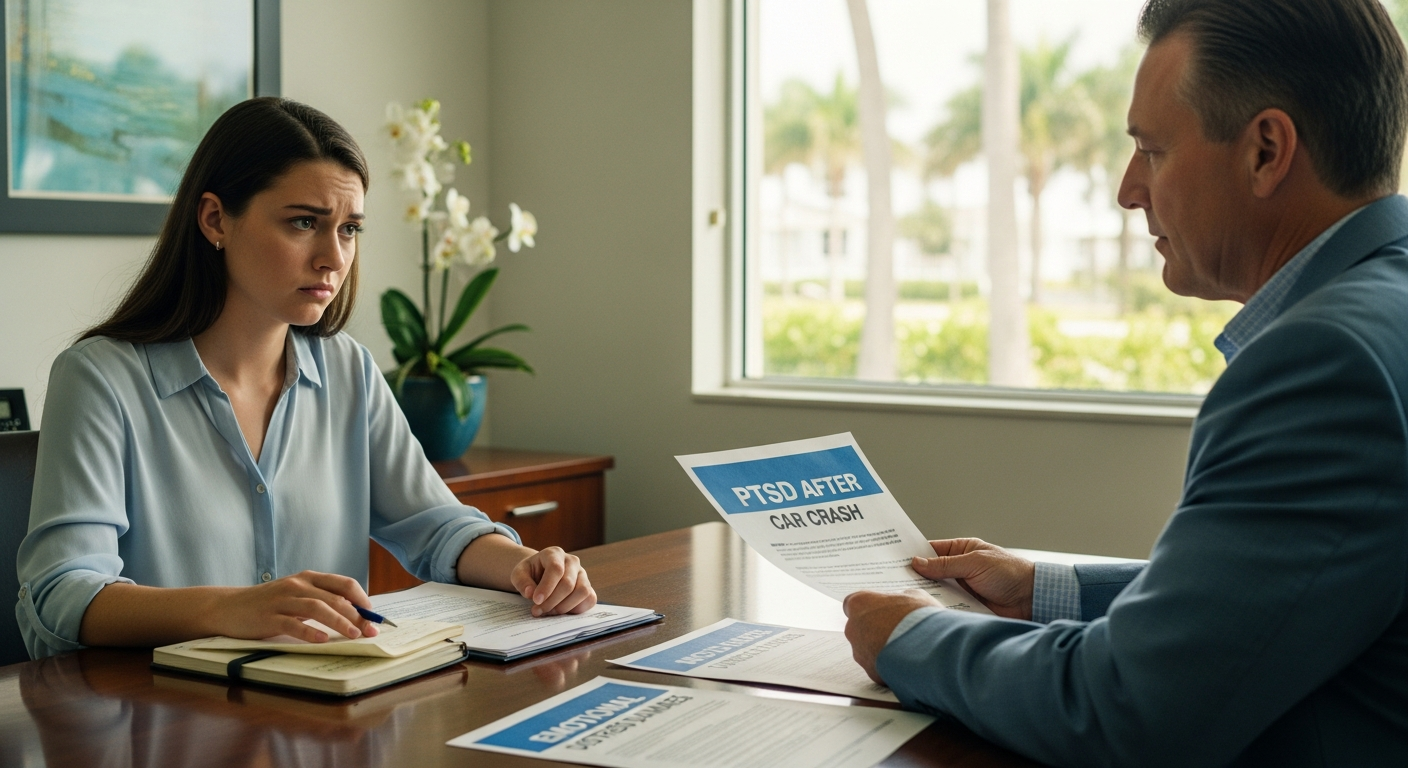
    If you are currently navigating a car accident PTSD claim after a serious crash in Jupiter, please know that your emotional well-being is just as important as your physical recovery. A car crash can change life in an instant, and while visible injuries get immediate attention, the journey of a car accident PTSD claim often begins days or weeks later. This invisible injury can disrupt your sleep and your relationships, but with the right documentation, you can secure the fair support you deserve.

    Making Your Car Accident PTSD Claim Credible and Clear

    To succeed with a car accident PTSD claim, survivors in Florida must carefully document every step of their treatment. 

    At Britto & Herman Injury Lawyers, we have helped many neighbors across Palm Beach County turn their personal records into the strong evidence needed for a successful car accident PTSD claim. We know how to show insurers that your mental health is a priority.

    Key Takeaways for Car Accident PTSD Claims in Florida

    • PTSD has established DSM-5 criteria, making the diagnosis credible.
    • Early therapy records create strong connections to the crash.
    • Psychologists provide expert testimony that validates claims.
    • Florida law allows recovery for emotional distress damages.
    • Digital journals and family statements enhance credibility.

    DSM-5 Diagnostic Criteria and Why They Matter

    PTSD is well-defined in the Diagnostic and Statistical Manual of Mental Disorders (DSM-5). It requires exposure to a traumatic event plus symptoms in four categories: intrusive memories, avoidance, negative changes in mood or thinking, and heightened arousal.

    The United States Department of Veterans Affairs confirms that the DSM-5-TR, published in 2022, left adult PTSD criteria unchanged. This consistency provides stability in both medical and legal claims. For crash survivors, a DSM-backed diagnosis strengthens the case by reducing insurer arguments that symptoms are exaggerated or unrelated.

    Why Early Therapy Records Are Essential in Legal Claims

    Prompt mental health care after a crash makes documentation stronger and recovery smoother. Delays in treatment allow insurers to question the cause of symptoms, while early records link PTSD directly to the accident.

    Why timing matters:

    • Direct connection: Immediate therapy ties symptoms to the crash.
    • Insurance defense: Early notes counter the car accident claims that PTSD came from unrelated issues.

    What therapy records capture:

    • Counseling notes that describe progress and ongoing struggles.
    • Prescriptions for anxiety, depression, or sleep problems.
    • Structured treatment plans designed around DSM-5 standards.

    Evidence-based therapies recommended:

    • Prolonged Exposure (PE): Gradual confrontation with trauma reminders.
    • Cognitive Processing Therapy (CPT): Focused on reframing harmful thought patterns.
    • Eye Movement Desensitization and Reprocessing (EMDR): Guided eye movement to process trauma.

    These medical treatments are endorsed in the VA and Department of Defense Clinical Practice Guidelines as highly effective. Early adoption of these therapies creates solid evidence and improves outcomes.

    Conclusion: Strong therapy records are both a medical lifeline and a legal cornerstone in proving PTSD claims.

    How Psychologists Provide Expert Legal Testimony

    Expert testimony often determines whether PTSD is taken seriously in court or by insurers. Psychologists and psychiatrists provide insights that connect the science of PTSD to the daily reality of the victim.

    Key contributions of expert testimony:

    • Diagnostic confirmation: Explains how symptoms meet DSM-5 criteria.
    • Treatment details: Discusses therapy methods and results.
    • Impact analysis: Describes disruptions in work, relationships, and life quality.
    • Future outlook: Estimates the duration and cost of ongoing treatment.

    The National Center for PTSD emphasizes that structured interviews and standardized tools used by experts increase reliability.

    Conclusion: Expert testimony transforms clinical records into persuasive legal evidence, providing credibility that insurers and jurors cannot easily dismiss.

    Calculating Non-Economic Damages for PTSD

    PTSD damages go beyond medical bills. Victims may lose enjoyment of life, strain relationships, and face daily emotional distress.

    The National Institute of Mental Health reports that among adults with past-year PTSD, 36.6 percent face severe impairment, 33.1 percent moderate impairment, and 30.2 percent mild. These numbers highlight the wide-ranging impact PTSD can have.

    Florida tort law allows victims to recover both economic and non-economic damages. Our attorneys use detailed medical records and personal evidence to argue for fair value. We also guide clients through our Legal Practice Areas to understand the range of compensable damages.

    Overcoming Insurer Skepticism of PTSD Claims

    Insurers often claim PTSD is subjective or exaggerated. They may point to minimal vehicle damage or treatment gaps as evidence against the injury. Yet national crash data shows the scale of trauma.

    In 2022, the National Highway Traffic Safety Administration reported 5.9 million police-reported crashes, resulting in more than 42,500 deaths and 2.38 million injuries. These figures underscore that psychological trauma is a common outcome, not an exception.

    Conclusion: With consistent treatment, documented evidence, and expert support, insurers have little ground to deny legitimate PTSD claims.

    How Family and Witness Observations Strengthen a Claim

    Family and friends often notice changes that medical records may not fully capture. Their testimony adds valuable real-world context.

    Types of observations that matter:

    • Behavioral changes: Irritability, withdrawal, or hypervigilance.
    • Sleep issues: Nightmares, restlessness, or insomnia.
    • Workplace struggles: Missed days, reduced focus, or performance decline.
    • Emotional shifts: Loss of interest in hobbies, detachment, or mood swings.

    Why do they strengthen claims:

    • Corroborate medical notes and therapy records.
    • Provide a human context that resonates with jurors.
    • Build credibility by showing consistent accounts from multiple sources.

    Conclusion: Family and witness statements personalize PTSD claims, creating a fuller picture that helps courts and insurers understand the daily impact.

    Florida Law and Emotional Distress Damages

    Florida law recognizes both economic and non-economic damages, including mental anguish. Comparative negligence rules may reduce the recovery if the victim is partly at fault, but do not bar compensation altogether in all circumstances.

    At Britto & Herman, we ensure our clients’ claims align with applicable laws, building strong cases that account for both financial and emotional losses.

    Using Technology to Support PTSD Claims

    Technology provides modern ways to document PTSD. Digital journals, therapy apps, and trackers record symptoms in real time.

    These tools:

    • Create timestamped evidence of anxiety or sleep disturbances.
    • Fill gaps between therapy appointments.
    • Show consistent symptoms that support expert evaluations.

    Conclusion: Combining digital tools with professional care builds stronger, more persuasive PTSD claims.

    Frequently Asked Questions About PTSD Claims

    1. How can PTSD be proven after a car crash?
      By using DSM-5 diagnosis, therapy records, expert testimony, and supporting statements from loved ones.
    2. What damages are available for emotional distress?
      Economic costs, such as therapy bills, and non-economic damages, including pain, suffering, and reduced enjoyment of life.
    3. How long do I have to file a PTSD claim in Florida?
      Generally, four years, though acting sooner strengthens your case.
    4. Why should I hire a post-traumatic stress injury lawyer?
      A lawyer ensures that records are thorough, experts are retained, and insurers are challenged effectively.
    5. Do family and witness statements really provide valuable assistance?
      Yes, they add credibility by confirming how PTSD affects daily life.

    Talk to Britto & Herman About Your PTSD Claim

    If you or someone you love is coping with PTSD after a car crash, you deserve guidance and protection. Contact us today for a free consultation. At Britto & Herman, we will carefully review your claim, explain your legal options, and pursue the full compensation you need. With our contingency fee promise, you pay nothing unless we win.

    About Britto & Herman Injury Lawyers

    Learn more about Britto & Herman, a Florida law firm dedicated to helping accident victims. Daniel D. Britto is a Florida Bar Board Certified Civil Trial Attorney, a distinction earned by fewer than one percent of attorneys statewide. Michael S. Herman, Jr. brings extensive trial experience and a proven record of success. Together, they have decades of experience representing clients in Jupiter and throughout Palm Beach County.

  • What to Do After a Bicycle vs Car Collision on Jupiter Streets

    What to Do After a Bicycle vs Car Collision on Jupiter Streets

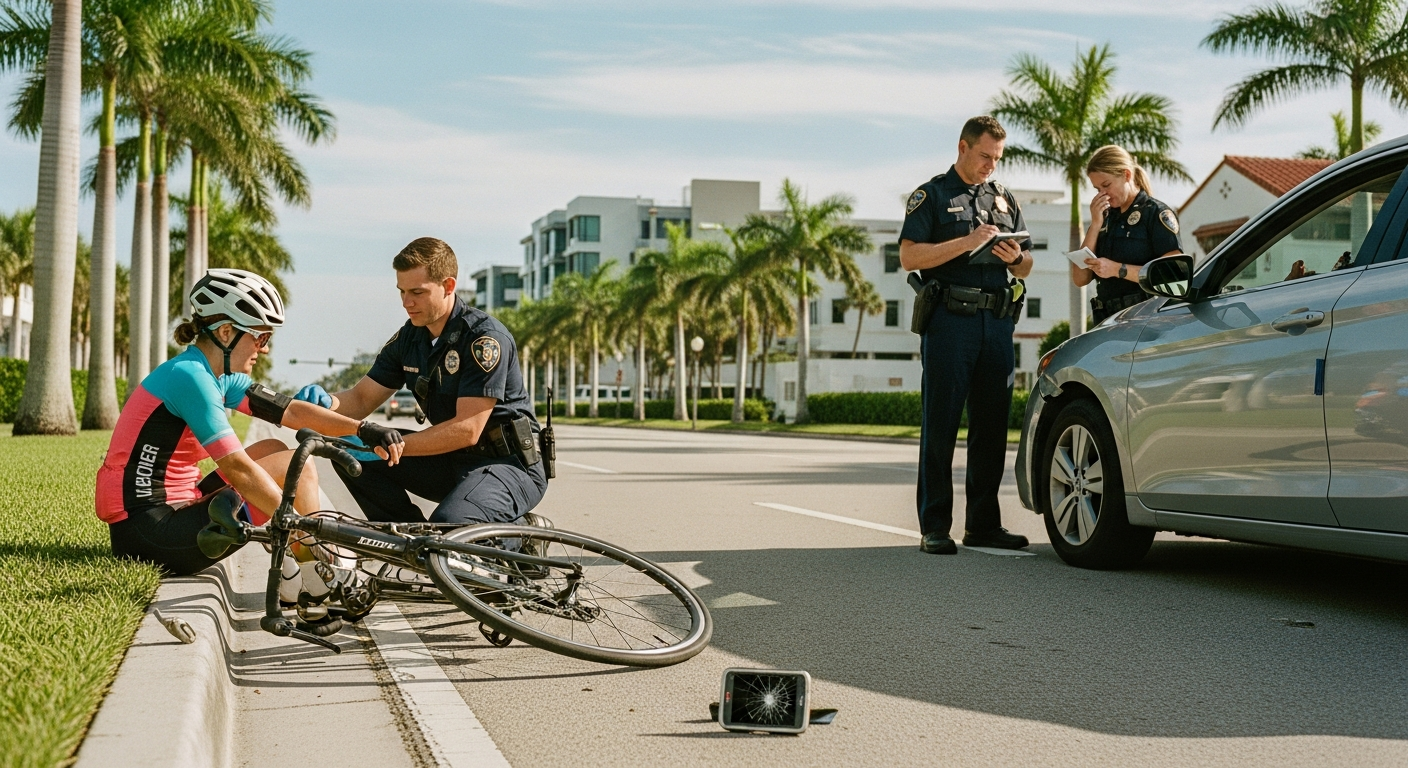
    Bike-car collision in Jupiter can lead to severe injuries. Jupiter’s scenic roads attract cyclists daily, but riding alongside cars carries risks. When a bicycle vs car collision occurs, the cyclist usually bears the most severe injuries. Knowing what to do right away is vital for your safety and for protecting your bike-car collision claim.

    At Britto & Herman Injury Lawyers, we have guided injured cyclists through complex claims across Palm Beach County. With clear steps and a strong legal strategy, you can preserve evidence, protect your health, and build a solid foundation for your case.

    Key Takeaways

    • Florida Statute §316.2065 protects cyclists with clear rules of the road.
    • Preserving GPS and Strava ride data creates reliable digital evidence.
    • Immediate medical care and a police report are essential.
    • PIP does not cover bicycles, making insurance recovery complex.
    • Comparative negligence may reduce compensation if the cyclist is found partly at fault.
    • Documentation of injuries and losses strengthens a claim.
    • Britto & Herman Injury Lawyers has trial-tested experience in bike accident litigation.
    • Local attorneys can help cyclists maximize their compensation for injuries.

    Key Traffic Laws Protecting Cyclists

    Florida law requires motorists to maintain a minimum clearance of at least three feet when passing a cyclist. Under Statute §316.2065, riders may occupy a full lane when necessary, especially on narrow or obstructed roads. Despite these protections, drivers often fail to yield or crowd cyclists.

    According to the Florida Department of Highway Safety and Motor Vehicles, cyclist crashes continue to be a persistent issue. Our attorneys use these laws to establish liability and ensure drivers are held accountable when they violate a cyclist’s rights.

    Preserving GPS and Strava Ride Data

    Cycling apps, such as Strava or Garmin, provide valuable evidence in bike-car collision claims. These platforms log time, speed, and location, often down to the second. Screenshots, exported ride files, or saved GPX data can prove how and where the crash occurred.

    Our firm has successfully used ride data in past cases to validate timelines and counter inaccurate defense claims. Preserving this information immediately helps reinforce your version of events and adds credibility to your case.

    Steps to Take Immediately After a Bicycle Accident

    • Seek medical care right away. Hidden injuries such as concussions or internal trauma may not show immediate symptoms.
    • Contact law enforcement to ensure a police report is filed.
    • Collect the driver’s insurance information, take photos of the scene, and gather witness details.

    These actions not only protect your health but also create strong evidence for your claim. Our attorneys frequently find that early documentation makes a significant difference in settlement negotiations and trials.

    Insurance Coverage for Cyclists in Florida

    Unlike car drivers, cyclists do not benefit from Florida’s no-fault PIP insurance. This means you cannot turn to PIP for medical bills or lost wages. Instead, you must rely on the at-fault driver’s liability coverage, your own uninsured or underinsured motorist policy, or health insurance.

    At Britto & Herman Injury Lawyers, we routinely handle disputes involving cyclist insurance. Insurers often minimize claims, but with trial-ready representation, injured riders gain the leverage needed for fair outcomes. We help maximize recovery after a bike-car collision in Jupiter.

    Common Bicycle vs Car Collision Scenarios in Jupiter

    Cyclist crashes in Jupiter often follow similar patterns:

    • Right-turn conflicts where cars cut off cyclists.
    • Dooring incidents occur when drivers open doors without checking.
    • Intersections where motorists fail to yield.
    • Distracted or impaired drivers strike cyclists unexpectedly.

    We have represented victims in each of these scenarios, securing meaningful compensation for medical care, lost income, and long-term recovery.

    Comparative Negligence and Cyclist Claims

    Florida uses a comparative negligence rule. If a cyclist is partly responsible, for example, failing to stop at a sign, their compensation may be reduced. If a cyclist is found 20 percent at fault, their total recovery decreases by that percentage.

    Insurance companies often exploit this rule to shift blame. We challenge these arguments with detailed investigations, ensuring drivers are held primarily responsible when they cause the crash.

    Documenting Injuries and Damages

    Substantial evidence can define the value of your bike-car collision claim. Useful documentation includes:

    • Medical records and treatment plans.
    • Photos of visible injuries and bicycle damage.
    • Proof of lost wages and reduced earning capacity.
    • Ride data from Strava or any GPS app that supports your account.

    Our attorneys assemble comprehensive evidence packages that make it difficult for insurers to deny or undervalue claims.

    Why Work With a Jupiter Bicycle Accident Lawyer

    Working with an attorney who is familiar with Jupiter’s roads and Palm Beach courts can make a significant difference. Daniel D. Britto is a Florida Bar Board Certified Civil Trial Attorney, a distinction held by fewer than one percent of Florida lawyers. Michael S. Herman, Jr. adds extensive trial experience and a strong record of advocacy.

    By choosing us, you gain a firm with proven results in cycling accident cases and a client-first approach. We operate on a contingency fee model, meaning you pay nothing unless we win your case.

    Frequently Asked Questions

    1. What should I do immediately after a bike-car collision? Seek medical help, call the police, and document the scene.
    2. Does PIP cover cyclists in Florida? No, PIP does not apply to bicycles.
    3. Can Strava or GPS data help my claim? Yes, ride data can provide strong evidence.
    4. How much compensation is possible? It depends on injuries, damages, and fault.
    5. What are the common causes of collisions in Jupiter? Right turns, dooring, intersection conflicts, and distracted driving.
    6. Can I recover damages if I was partially at fault? Yes, but compensation may be reduced under comparative negligence.
    7. How long do I have to file a claim in Florida? Generally, four years is the standard, although acting sooner is preferable.
    8. Do I need a lawyer for a bike accident claim? Legal representation significantly enhances your chances of a full recovery.

    Talk to a Lawyer About Your Case

    If you or a loved one has been injured in a bicycle accident with a car, contact us today for a free consultation. We will review your case, explain your options, and fight for the compensation you deserve. You pay nothing unless we win.

    About Britto & Herman Injury Lawyers

    Britto & Herman Injury Lawyers is a Florida law firm dedicated to protecting accident victims, including cyclists. Founders Daniel D. Britto and Michael S. Herman, Jr. bring decades of combined trial experience. Daniel Britto is a Florida Bar Board Certified Civil Trial Attorney, a recognition earned by fewer than one percent of Florida lawyers. The firm has consistently delivered proven results in bicycle and car accident cases, always prioritizing clients’ needs. 

    Learn more on our Our Lawyers page.

  • Is Lane Splitting Legal in Florida? Learn the Risks and Your Legal Rights

    Is Lane Splitting Legal in Florida? Learn the Risks and Your Legal Rights

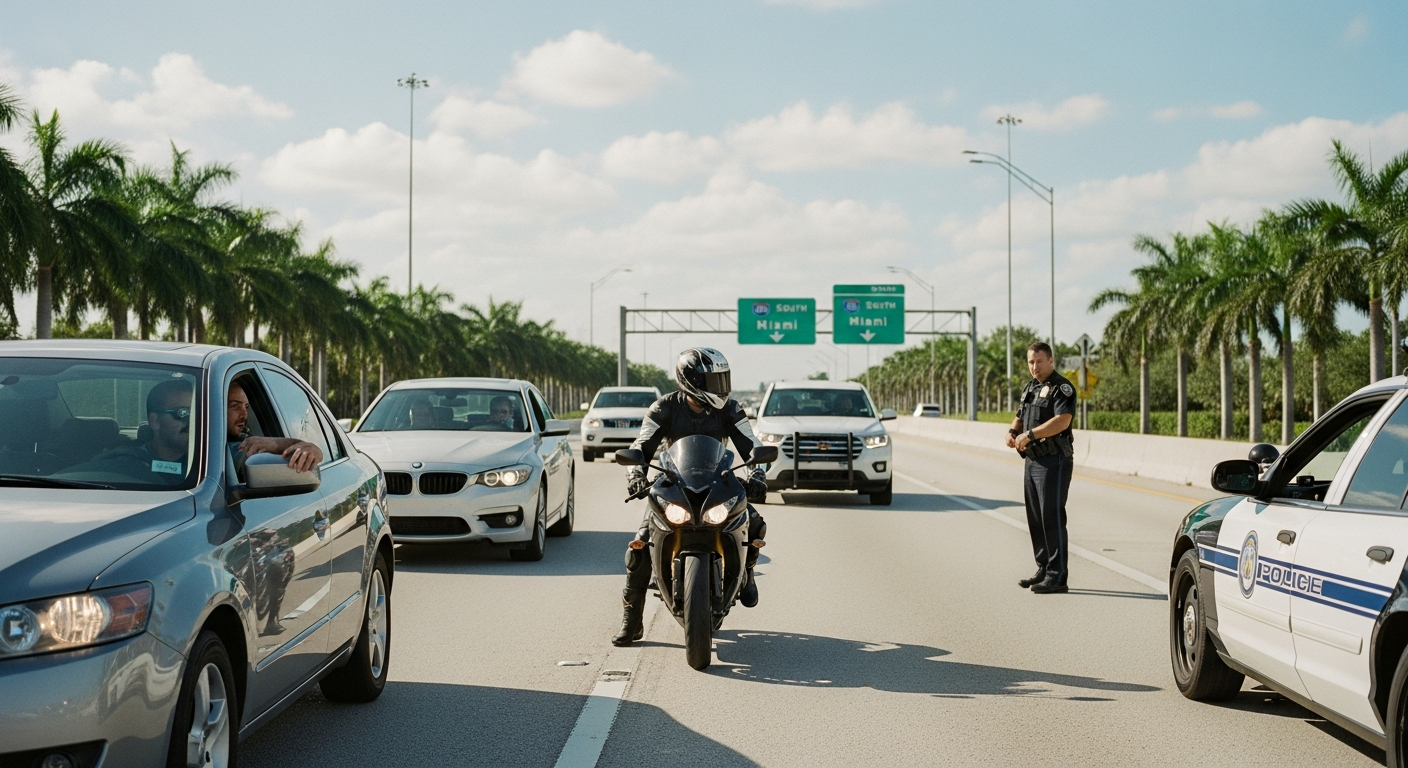
    For many motorcyclists, traffic jams can feel unbearable. Some look for ways to keep moving, and one practice that often comes up in conversation is lane splitting. This occurs when a rider moves between lanes of slow or stopped traffic. In certain places, it is debated as a safety measure. In Florida, however, the law is clear: lane splitting in Florida is not legal.

    Adding to the confusion, some riders believe that lane filtering, which involves moving between stopped cars at a light, is allowed. In Florida, it is not. At Britto & Herman Injury Lawyers, we have guided countless motorcyclists through injury claims. Understanding these laws before and after a crash can be the key to protecting both your health and your case.

    Key Takeaways

    • Lane splitting is prohibited under Florida law.
    • Lane filtering, though different, is also not permitted.
    • Riders are entitled to the full use of a lane.
    • Comparative negligence may reduce recovery if lane splitting is found to have contributed to a crash.
    • Florida’s no-fault PIP insurance does not cover motorcycles.
    • Insurance disputes are common and require strong legal guidance.
    • Safety concerns drive the prohibition on lane splitting.
    • A Florida motorcycle accident attorney can help protect your rights and maximize recovery.

    Difference Between Lane Splitting and Lane Filtering

    The distinction is important. Lane splitting involves riding between moving vehicles traveling in the same direction. Lane filtering happens at intersections when a rider moves between stopped cars to reach the front. Both practices are unsafe and prohibited in the state of Florida.

    According to the National Highway Traffic Safety Administration, visibility is one of the leading factors in motorcycle accidents. Drivers often overlook motorcycles even when they are in plain sight. Moving between vehicles makes riders even more challenging to see, increasing crash risks.

    Our attorneys frequently meet riders who mistakenly thought lane filtering was acceptable. That misunderstanding can complicate claims in the event of a crash.

    Motorcycle Rights to the Road in Florida

    Florida law, specifically Statute 316.209, gives motorcycles the same right to a lane as any other vehicle. Riders cannot be forced to the edge of the lane or crowded out of it. Two motorcycles may share a lane side by side, but not more than two.

    We have represented injured riders in cases where drivers failed to respect this right. From sudden lane changes to drivers drifting into a lane, we have successfully proven negligence and secured compensation.

    Current Florida Law on Lane Splitting

    Lane splitting is not only discouraged, it is also explicitly banned in Florida. A rider cited for lane splitting can face fines, points on their license, and a harder time proving their case after an accident.

    The Florida Department of Highway Safety and Motor Vehicles emphasizes that motorcycles must follow the same traffic laws as other vehicles. If a crash happens during lane splitting, insurers often argue the rider is at fault, making legal representation especially important.

    Safety Concerns with Lane Splitting

    Lane splitting places riders in positions drivers do not expect. The risks include sudden lane changes, car doors opening, and distracted drivers who fail to check mirrors. The NHTSA reports that motorcyclists are already far more likely to be injured or killed in crashes than car occupants. Adding lane splitting into the mix compounds the danger.

    While some international studies suggest possible benefits in certain traffic conditions, Florida has chosen safety and predictability over experimentation. Until state law changes, lane splitting remains a risky and unlawful move.

    Comparative Negligence and Lane Splitting Accidents

    Florida follows a comparative negligence system. This means that if a rider’s decision to lane-split contributes to a crash, their compensation may be reduced. For example, if a driver makes an unsafe lane change and collides with a motorcycle that is lane-splitting, fault may be shared between the parties. A court could assign 70 percent of the blame to the driver and 30 percent to the rider, cutting the rider’s recovery by that amount.

    Our attorneys understand how insurers try to shift fault onto injured motorcyclists. With thorough investigation and substantial evidence, we have successfully countered these arguments to secure fair outcomes.

    Common Motorcycle Accident Scenarios in Florida

    Even without lane splitting, motorcyclists in Florida face significant risks, including:

    • Rear-end crashes at intersections.
    • Drivers turning left across a rider’s path.
    • Unsafe or abrupt lane changes.
    • Distracted or impaired drivers failing to see motorcycles.

    Our firm has litigated cases in each of these situations, achieving meaningful results for our clients.

    Insurance and Motorcycle Accident Claims

    Motorcyclists in Florida face an added challenge: they are excluded from the state’s no-fault personal injury protection (PIP) coverage. This means they must turn to health insurance, the at-fault driver’s liability coverage, or their own uninsured or underinsured motorist policy to cover medical bills and lost income.

    We help riders navigate these complex claims. Insurers often delay or deny benefits, but our trial record ensures they take our cases seriously.

    What Riders Should Do After a Motorcycle Accident

    If you are injured in a motorcycle crash, what you do next matters:

    • Seek medical attention immediately, even if symptoms develop slowly.
    • Report the crash to law enforcement for an official record.
    • Collect photos, witness names, and contact information.
    • Speak with an attorney as soon as possible.

    At Britto & Herman Injury Lawyers, we guide clients through each step, ensuring their rights are protected from the start. With our contingency fee structure, you pay nothing unless we recover compensation for you.

    Frequently Asked Questions

    1. Is lane splitting legal in Florida?
      No, it is prohibited.
    2. What is the difference between lane splitting and lane filtering?
      Splitting occurs in moving traffic and filtering at stoplights. Both are illegal.
    3. Can I get a ticket for lane splitting?
      Yes, riders may face fines and citations.
    4. What if I were injured while lane splitting?
      You may still have a claim, but compensation can be reduced.
    5. Do motorcycles have the same rights as cars in Florida?
      Yes, they are entitled to a full lane.
    6. Does PIP insurance cover motorcycles?
      No, motorcycles are excluded from PIP.
    7. How does comparative negligence work?
      Your percentage of fault can reduce recovery.
    8. How can a lawyer help after a crash?
      An attorney can investigate, negotiate, and litigate your claim if needed.

    Get Help Today

    If you or a loved one has been hurt in a motorcycle accident, do not wait. Contact us today for a free consultation. We will review your case, explain your options, and fight for the compensation you deserve. There is no fee unless we win for you.

    About Britto & Herman Injury Lawyers

    Britto & Herman Injury Lawyers is a Florida law firm dedicated to protecting accident victims, including motorcyclists. Founders Daniel D. Britto and Michael S. Herman, Jr. bring decades of trial experience. Daniel Britto is a Florida Bar Board Certified Civil Trial Attorney, a distinction held by fewer than one percent of Florida lawyers. The firm has consistently delivered proven results in motorcycle and car accident cases, always prioritizing clients’ needs. 

    Learn more on our Our Lawyers page.

  • Rear-End Collision Injuries That Seem Minor but Carry High Costs

    Rear-End Collision Injuries That Seem Minor but Carry High Costs

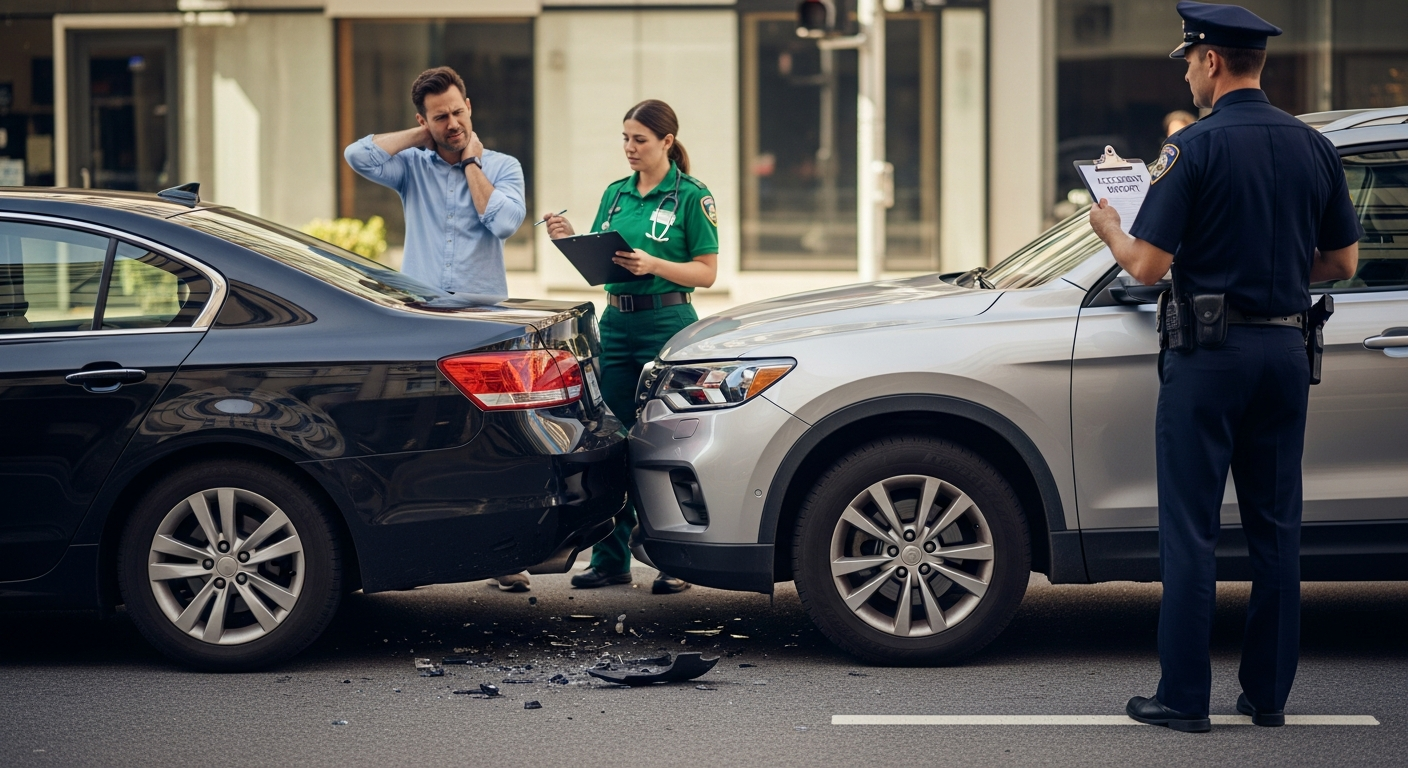
    Rear-end collision injuries on Florida roads may appear minor at first. The vehicles show little damage, and drivers walk away without immediate injuries. Yet many of these crashes lead to hidden trauma that disrupts lives and generates significant costs. The hours and days after the collision are critical for protecting both your health and the strength of your claim.

    At Britto & Herman Injury Lawyers, we have witnessed the impact of rear-end collision injuries on victims throughout Palm Beach County. Our experienced trial lawyers know how to prove these injuries are real, even when insurance companies try to dismiss them.

    Key Takeaways

    • Injuries from low-speed rear-end collisions are often delayed or hidden. 
    • Soft tissue injuries and concussions rarely appear on standard X-rays. 
    • Minimal vehicle damage does not mean minimal injury. 
    • Gaps in treatment can weaken your claim if not addressed. 
    • Life-care plans show the actual costs of long-term pain. 
    • The settlement value of whiplash cases depends on strong documentation. 
    • Britto & Herman Injury Lawyers has obtained verdicts and settlements in these cases. 
    • Free case reviews are available for crash victims. 

    Biomechanics of Low-Speed Impacts

    Even at slow speeds, a rear-end collision can create enough force to injure the neck and spine. Sudden acceleration and deceleration whip the cervical spine forward and back, straining ligaments and muscles. Seat belts prevent catastrophic harm but still channel crash energy into the torso and neck.

    Factors such as posture, age, and prior medical conditions can increase the risk of injury. The Insurance Institute for Highway Safety (IIHS) has shown through crash testing that serious injuries often occur even when visible car damage is minor.

    Common Soft Tissue Injuries and Diagnostics

    Whiplash, cervical strains, and facet joint pain are common after rear-end crashes. Sometimes discs herniate, pressing on nerves and causing long-term symptoms. These injuries often do not appear on X-rays, which leads insurers to question their severity.

    Magnetic resonance imaging (MRI), CT scans, and thorough evaluations give clearer results. Our attorneys work with medical providers who understand how to document these injuries for both treatment and claims purposes.

    Documenting Delayed Concussion Symptoms

    Concussions frequently follow rear-end collisions but are often overlooked. Victims may feel normal at first, only to develop headaches, dizziness, confusion, or sensitivity to light later. The Centers for Disease Control and Prevention stresses the importance of early diagnosis and follow-up care.

    Keeping a daily journal of symptoms and sharing it with medical providers helps confirm the progression of injuries. We guide clients in maintaining these records so that their claims accurately reflect the actual impact on their daily lives.

    Minor Property Damage Does Not Equal Minor Injury

    Insurance adjusters often argue that minor bumper damage means minimal injury. This is false. Modern bumpers and crumple zones are built to absorb energy, protecting the car while transferring force to occupants. The National Library of Medicine has demonstrated that serious injuries can occur even in low-impact collisions.

    We have represented many clients with significant injuries in cases where the vehicles showed minor visible damage. Our attorneys know how to present this evidence in negotiations and in court.

    Gap in Treatment Arguments From Insurers

    Insurers frequently use gaps in medical treatment to argue that injuries were not serious. But work, family obligations, or financial stress often explain these delays.

    We help clients access urgent care, telehealth, or physical therapy to avoid gaps. Consistent treatment records build credibility and prevent insurers from undervaluing claims.

    Using Life-Care Plans for Chronic Pain

    Some injuries lead to long-term conditions. Life-care plans, created by rehabilitation specialists, outline expected costs for therapy, medication, pain management, and assistive equipment. These plans give insurers and juries a realistic view of future expenses.

    In our experience, life-care plans have significantly increased settlement value, ensuring our clients are not left with overwhelming long-term costs.

    Valuing Whiplash and Soft Tissue Claims in Florida

    Calculating whiplash settlement value includes both economic and non-economic damages. Economic damages cover medical bills, tests, and lost wages. Non-economic damages include pain, suffering, and reduced enjoyment of life.

    Florida’s tort laws create thresholds for specific claims, but with detailed medical records and attorney advocacy, our clients regularly achieve fair results.

    Specialist Referrals and Multidisciplinary Care

    Rear-end injuries often require the expertise of multiple specialists. Primary care physicians may refer patients to neurologists, pain management experts, or physical medicine and rehabilitation (PM&R) doctors. Vestibular therapy may be necessary for addressing balance and dizziness issues.

    These referrals enhance patient recovery and provide strong evidence to support claims. Our attorneys encourage clients to follow through with referrals to strengthen their cases.

    Building Proof With Everyday Evidence

    Medical records are essential, but everyday documentation also plays a crucial role. Symptom diaries, photos of injuries, medication logs, and proof of workplace adjustments all demonstrate the impact of injuries. Statements from family or coworkers can further support the claim.

    We encourage clients to retain this type of evidence, as insurers often attempt to minimize injuries that are not visible on imaging tests.

    Frequently Asked Questions

    1. Can low-speed rear-end crashes cause serious injuries? Yes, soft tissue and brain injuries often result. 
    2. How long after a collision can symptoms appear? Hours to days, sometimes longer. 
    3. Do I need an MRI if my X-ray is normal? Yes, MRIs detect injuries that X-rays miss. 
    4. What is the average whiplash settlement value in Florida? It varies, but strong documentation raises value. 
    5. How do insurers use a gap in treatment against me? They argue it shows your injuries were not serious. 
    6. Does minor vehicle damage hurt my claim? No, studies show that injuries often occur in low-damage crashes. 
    7. When should I see a specialist for neck pain or a concussion? As soon as symptoms begin. 
    8. How long do I have to file a claim in Florida? Usually, four years, but taking action earlier is best. 

    Take the Next Step

    If you or a loved one has suffered rear-end collision injuries, contact us today for a free consultation. Our attorneys will review your case, explain your options, and work to secure the maximum compensation available. You pay nothing unless we win.

    About Britto & Herman Injury Lawyers

    Britto & Herman Injury Lawyers is a Florida law firm dedicated to protecting accident victims. Founders Daniel D. Britto, a Florida Bar Board-Certified Civil Trial Attorney, and Michael S. Herman, Jr., bring decades of combined courtroom experience. Their client-first approach has produced strong results for victims of car crashes and catastrophic injuries.

    Learn more about us, our attorneys, and our commitment to helping injured clients.

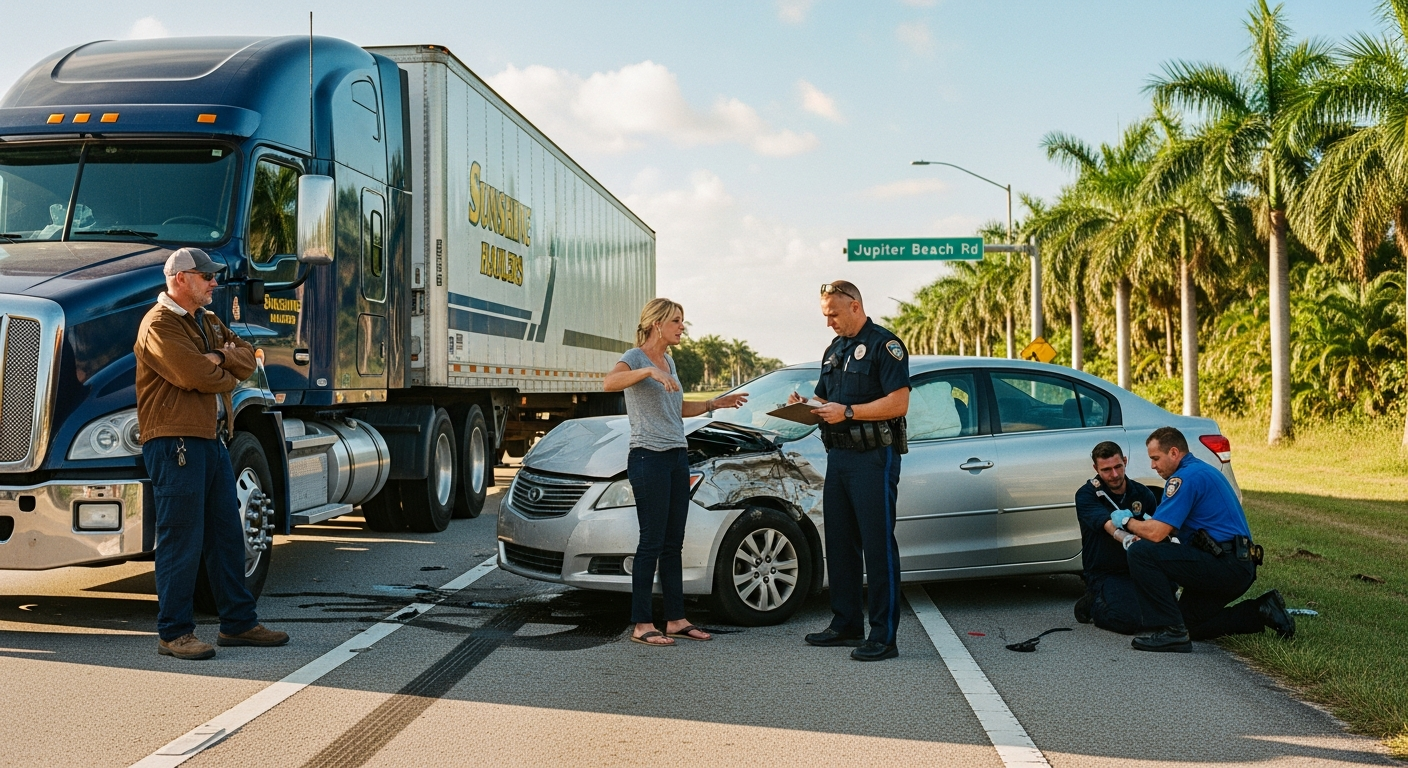
  • What To Do After Common Causes of Truck Accidents In Jupiter

    What To Do After Common Causes of Truck Accidents In Jupiter

    Truck Accident Causes in Jupiter demand immediate attention. Whether you’re driving home, crossing the street, or heading to work, sharing the road with big commercial trucks comes with unique challenges. If a collision happens, it can feel overwhelming to deal with all at once. 

    Between injuries, vehicle damage, and the stress of sorting through reports and insurance, many drivers are left wondering what to do first. By understanding the common causes of truck accidents, you’ll know exactly what steps to take afterward. This guide highlights the most common accident triggers and offers practical advice that you can apply immediately.

    Key Takeaways

    • Speeding and reckless driving are significant causes of truck accidents. Call 911, document the scene, and request official reports.
    • Distracted driving accidents require you to mention suspicions to officers and insurers while staying defensive on the road.
    • Poor maintenance leads to serious risks. Photograph the scene and maintain thorough medical and crash records.
    • Improper cargo loading causes rollovers and spills. Capture photos and details of all trucks involved.
    • Weather greatly increases accident severity. Save weather reports and avoid travel during storms.
    • If you’ve done everything and still need guidance, Britto & Herman Injury Lawyers are here to help you.

    Speeding and Reckless Driving

    Speeding and reckless driving remain the leading causes of truck accidents. Trucks are massive, often weighing up to 80,000 pounds, which means they require far more time and space to stop compared to smaller vehicles. When drivers push the limits, ignore speed limits, or weave through traffic, accidents become almost inevitable.

    This is especially concerning on busy roads around Maplewood, where both trucks and passenger cars compete for space. A speeding truck in such areas can create a chain reaction of collisions.

    Action plan if involved in this type of accident:

    1. Call 911 immediately. High-speed crashes often cause hidden injuries.
    2. Take photos of skid marks, damaged vehicles, and traffic signs.
    3. Get witness statements before people leave the scene.
    4. Request the crash report to confirm whether the truck driver was cited.
    5. Organize medical records to document injuries for insurance.
    6. Check for traffic cameras near busy intersections in Jupiter.

    Prevention tip: On highways like I-95 or U.S. 1, always leave extra space behind trucks to account for sudden, reckless maneuvers.

    Distracted Driving

    Distracted driving is another frequent factor in truck accidents. Truckers spend long hours on the road, which increases the temptation to check phones, eat meals behind the wheel, or lose focus due to fatigue. Unfortunately, it only takes a few seconds of inattention to cause a major collision.

    Accidents caused by distracted drivers are particularly dangerous in residential neighborhoods like Maple Isle, where cyclists and pedestrians share the road.

    Steps to take after a distracted driving accident:

    • Report your suspicion to officers if you notice swerving or drifting.
    • Ask about traffic cameras near intersections that may have captured the driver’s actions.
    • Notify your insurance provider with details about the signs of distraction.

    Prevention tip: Drive defensively, keep buffer zones near trucks, avoid blind spots, and always leave yourself an escape route in traffic.

    Poor Truck Maintenance

    Trucks log thousands of miles every month, and without consistent maintenance, they can become hazards. Brake failures, worn tires, and engine issues are all common maintenance problems that lead to serious accidents. Along stretches near the Villas of Ocean Dunes, where traffic is dense, these failures can be hazardous.

    Checklist if poor maintenance played a role in your accident:

    • Photograph evidence of mechanical failures, such as blown tires or fluid leaks.
    • Request that officers note the condition of the trucks in their reports.
    • Keep medical records organized, as injuries from these crashes can be long-lasting.
    • Review the maintenance logs later if they become accessible to investigators.

    Prevention tip: If you notice trucks with smoking brakes, swaying trailers, or visibly worn tires, give them space.

    Improper Cargo Loading

    Improperly loaded cargo is a hidden danger. Overweight or unbalanced loads can cause trucks to jackknife, tip over, or spill materials onto the road. These risks are exceptionally high in busy areas, where traffic is constant. 

    Steps to take if cargo caused the accident:

    • Photograph the cargo if it has spilled or shifted at the scene.
    • Record license plates of any additional trucks involved in transporting or loading.
    • Share details with investigators to ensure accountability among all responsible parties.

    Prevention tip: If you notice a truck carrying an unstable or unsecured load, immediately create distance and consider reporting it before it becomes a hazard.

    Weather-Related Accidents

    Florida weather adds a layer of unpredictability to truck driving. Heavy rains, sudden storms, and high coastal winds make it much harder to control large vehicles. This is particularly true near Juno Ocean Walk and the Villas of Ocean Dunes, where exposure to the coast increases risks.

    What to do if the weather caused your truck accident:

    • Seek medical attention right away. Weather-related crashes often involve more substantial impacts.
    • Save weather reports or news alerts from the day of the incident to use as supporting evidence.
    • Anticipate delays in insurance responses during widespread storm-related accidents.

    Prevention tip: Avoid driving during sudden downpours or when storm warnings are in effect. Trucks lose traction faster than passenger cars in heavy rain or strong winds.

    If You Still Need Help, We’re Here For You

    Even when you’ve taken every step (gathering evidence, reporting the crash, and keeping thorough records), some truck accidents are too complex to manage on your own.

    This is when Britto & Herman Injury Lawyers can make a difference. With experience helping accident victims, they understand the challenges local drivers face. When your own efforts aren’t enough, their support can provide the guidance you need.

    Final Thoughts

    Truck accidents in Jupiter often occur due to speeding, distracted driving, poor maintenance, improper cargo loading, or severe weather conditions. Knowing what to do after these common causes of truck accidents in Jupiter, FL, gives you confidence in a difficult situation.

    By taking immediate steps to document evidence, protect your health, and prepare for the claims process, you place yourself in a stronger position. And if you still feel overwhelmed, Britto & Herman Injury Lawyers offer the local knowledge and support needed to move forward.

  • Symptoms, Treatments, and Long-Term Effects of Whiplash From a Car Accident

    Symptoms, Treatments, and Long-Term Effects of Whiplash From a Car Accident

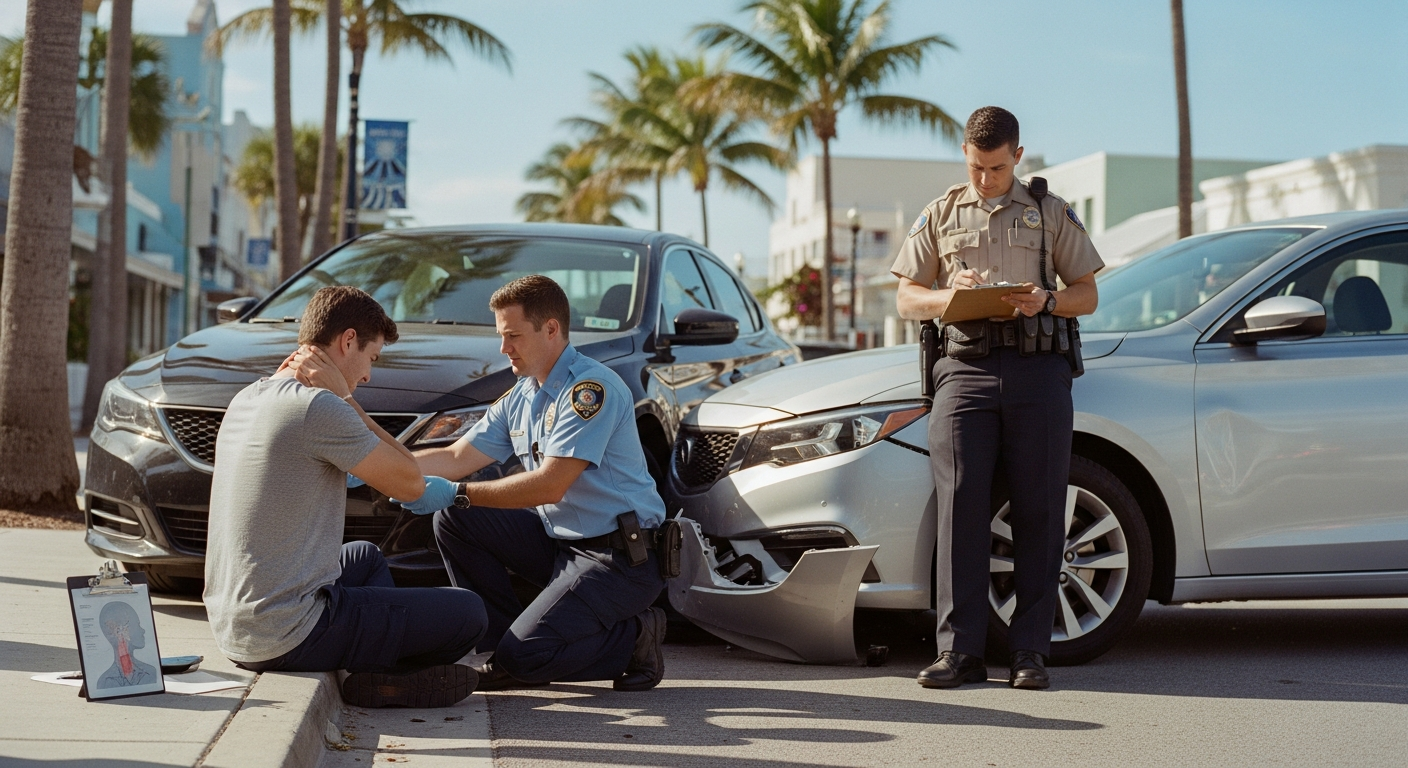
    Whiplash from a car accident in Florida is an injury that can disrupt your life in an instant. The sudden force of impact often causes a violent snap of the head and neck, an injury commonly called whiplash from a car accident. While it may feel minor at first, whiplash can lead to profound and lasting health challenges. Because symptoms sometimes appear days later, many victims delay treatment, not realizing that Florida law requires medical care within 14 days to preserve personal injury protection (PIP) benefits.

    At Britto & Herman Injury Lawyers, we’ve helped countless Florida accident victims facing delayed whiplash symptoms and stubborn insurance adjusters. Our trial-tested team knows how to protect your health and your claim when the stakes are high.

    Key Takeaways

    • Whiplash symptoms can occur immediately or develop over time.
    • Early medical care improves recovery and safeguards your claim.
    • Florida’s 14-day PIP rule requires timely treatment to qualify for benefits.
    • Long-term effects may include chronic pain, headaches, and fatigue.
    • Documentation, including medical notes, work records, and daily logs, builds a strong case.
    • Pain and suffering damages require meeting Florida’s permanent injury threshold.
    • Insurance companies often minimize whiplash claims without evidence.
    • We offer free consultations and no fees unless we win.

    What Are the Common Symptoms of Whiplash?

    Whiplash is more than simple stiffness. Common symptoms include neck pain, limited range of motion, shoulder or back tenderness, and headaches that originate at the base of the skull. Delayed symptoms, such as dizziness, memory problems, and difficulty focusing, can appear days later. According to the Mayo Clinic, symptoms often worsen before they improve, making a quick evaluation necessary.

    Doctors typically use a physical exam and range-of-motion testing to diagnose whiplash. Imaging may be ordered to rule out fractures or disc damage. Recognizing these signs and seeking care quickly is essential for both health and Florida insurance requirements.

    What Are the Long-Term Effects of Whiplash?

    Most victims recover in weeks, but some experience persistent symptoms. Long-term whiplash can lead to recurring neck pain, reduced range of motion, headaches, fatigue, and sleep disruption. Studies show that up to half of patients with severe whiplash continue to have symptoms one year later. Those with prior injuries, advanced age, or high-speed crashes face greater risks.

    Our attorneys have represented clients whose whiplash injuries developed into long-term conditions, requiring extended therapy and impacting their ability to work. These real-world outcomes directly affect compensation and the strength of a legal claim.

    What Is the Treatment for Whiplash?

    Treatment approaches now emphasize gentle activity over prolonged rest. Pain relief may include over-the-counter medicine or short-term prescriptions. Physical therapy and guided exercise often play a central role in recovery. According to the Cleveland Clinic, most patients improve within a few months when treatment begins promptly.

    Some patients may briefly use a soft collar, but extended use can slow healing. Severe or ongoing cases may require the expertise of specialists in orthopedics, neurology, or pain management.

    Whiplash Injury Claims in Florida

    In Florida, whiplash injury claims require victims to carry PIP coverage, which pays up to $10,000 in medical bills and lost wages after a crash. Victims must receive medical care within 14 days to qualify. Beyond PIP, compensation may be available from the at-fault driver’s insurer if the injury meets Florida’s permanent threshold under Statute 627.737.

    Building a strong claim involves gathering detailed evidence, including medical records, work absence slips, and daily pain notes. At Britto & Herman Injury Lawyers, we’ve helped clients counter insurers who downplay whiplash by presenting comprehensive documentation and, when necessary, winning at trial.

    What To Do After a Whiplash Injury From a Car Accident

    The hours and days after a crash are critical:

    • Within 24 hours: Seek medical evaluation and notify your insurer.
    • Within 72 hours: Document your symptoms and follow up with your doctor.
    • Within 14 days: Complete an exam with an approved provider to maintain PIP eligibility.

    Avoid posting about your injuries online and always attend your scheduled medical appointments. Our lawyers guide clients through each step to prevent mistakes that weaken a claim.

    Florida’s 14-Day PIP Rule and Why It Matters

    Under  Florida Statute 627.736, PIP benefits are only available if treatment begins within 14 days. To qualify for the full $10,000 benefit, a provider must diagnose an Emergency Medical Condition (EMC). Many victims mistakenly believe that an ER visit alone meets this requirement, but consistent follow-up is equally important. Our attorneys help clients navigate these rules and preserve benefits.

    Proving Whiplash – Medical Evidence and Documentation

    Because whiplash often does not appear on imaging, insurers may argue the injury is exaggerated. Strong evidence defeats this argument. Helpful records include:

    • Doctor’s notes confirming consistent complaints.
    • A daily journal describing pain and activity limits.
    • Employer records verifying missed work.
    • Physical therapy progress reports.

    Our firm has successfully used thorough documentation to demonstrate injuries and secure fair settlements for whiplash victims.

    Pain and Suffering for Whiplash in Florida – How It Is Evaluated

    Compensation for pain and suffering is only available if you meet Florida’s permanent injury threshold. Factors considered include severity, duration, and effects on daily life. If persistent neck pain prevents someone from working or caring for their family, the impact of this limitation strengthens the claim.

    Insurers often undervalue these losses, but experienced attorneys know how to show their actual effect through medical testimony and client statements.

    Frequently Asked Questions

    1. Can whiplash symptoms appear days later? Yes, delayed onset is typical.
    2. How long does whiplash last? Many recover in weeks, but some experience chronic issues.
    3. When should I go to the ER? Severe pain, numbness, or balance issues require immediate medical attention.
    4. What if I miss the 14-day PIP deadline? You may lose no-fault benefits.
    5. Do I need an MRI to prove whiplash? Not always, but it can rule out other injuries.
    6. Can I recover damages for pain and suffering? Yes, if your injury meets the permanent threshold.
    7. How do I document my pain? Keep a daily log of symptoms and limitations.
    8. Should I hire a lawyer? Legal guidance often improves claim outcomes.

    Call Us for a Free Consultation

    If you are suffering from whiplash after a car accident, do not delay. Call us today for a free consultation. We will review your case, explain your rights, and fight for the compensation you are entitled to. You pay nothing unless we win.

    About Britto & Herman Injury Lawyers

    Britto & Herman Injury Lawyers is a Florida law firm focused on representing accident victims. Founders Daniel D. Britto and Michael S. Herman, Jr. bring decades of combined experience, with Daniel Britto recognized as a Florida Bar Board-Certified Civil Trial Attorney (a distinction held by fewer than 1% of Florida lawyers). The firm has achieved proven results in car accident and spinal injury cases, always putting clients first. 

  • Florida’s Seasonal Surge in Accidents — How Snowbird Traffic Impacts Injury Claims

    Florida’s Seasonal Surge in Accidents — How Snowbird Traffic Impacts Injury Claims

    Why Personal Injury and Accident Claims Spike in Jupiter, FL During Snowbird Season

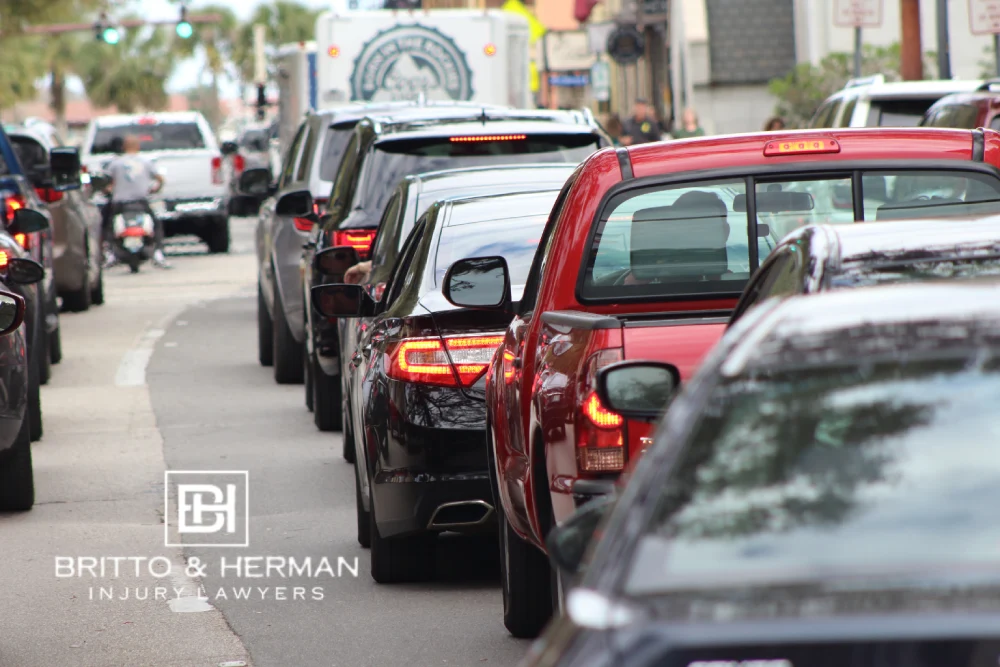
    If you’ve noticed more brake lights, longer lines at intersections, or more confusion on the roads, you’re not imagining things. “Snowbird season” is here—and with it comes a rise in car accidents across Jupiter and nearby Palm Beach County areas.

    At Britto & Herman Injury Lawyers, we’ve helped countless victims of wintertime accidents caused by seasonal drivers. With millions recovered for clients, our team understands how to handle complex cases that arise from out-of-state drivers, rental car policies, and delayed liability claims.

    What Is Snowbird Season?

    “Snowbirds” are seasonal residents who spend winter in Florida to escape northern cold weather. While their presence supports the local economy, it also creates:

    • Increased road congestion
    • More out-of-state insurance policies to deal with
    • Higher risk of fender benders and pedestrian incidents
    • Delays in emergency and legal response

    These risks are particularly high on roads like Donald Ross, Military Trail, and the Florida Turnpike—places locals know well, but visitors don’t.

    What Types of Accidents Are Most Common?

    As trusted Personal Injury and Accident Lawyers in Jupiter, FL, we typically see:

    • Rear-end collisions caused by sudden stops in unfamiliar traffic
    • Bicycle and pedestrian accidents in beachside and downtown areas
    • Rental car accidents involving complex liability
    • Premises liability in stores, hotels, and condos frequented by snowbirds

    How Britto & Herman Injury Lawyers Can Help

    Navigating a personal injury case is hard enough—but when it involves a seasonal visitor or unfamiliar policy, it becomes even more complicated. That’s where our experience counts.

    Our firm stands out because:

    • We focus on Florida accident laws
    • We have decades of combined litigation experience
    • We offer free consultations and work on contingency
    • We are known for fighting back against lowball offers

    Don’t Let a Seasonal Driver Derail Your Life

    If you’ve been injured during Florida’s snowbird season, don’t wait to protect your rights. With Britto & Herman Injury Lawyers, you’re getting more than legal help — you’re gaining a powerful ally in your recovery journey.

    📞 Call us at (561) 782-2891
    💻 Visit www.brittoherman.com
    📧 Email us at info@brittoherman.com

    Let us help you fight for the compensation you deserve. Snowbird season doesn’t have to mean stress — not when you have the right legal team in your corner.