Tag: Auto Accidents

  • What Information Do You Exchange in a Car Accident in Florida?

    What Information Do You Exchange in a Car Accident in Florida?

    Florida’s roads can be unpredictable, with a diverse mix of long-term residents, seasonal visitors, tourists, and retirees all sharing the streets. Whether you’re navigating busy city intersections or cruising along coastal highways, being prepared for the unexpected is crucial.

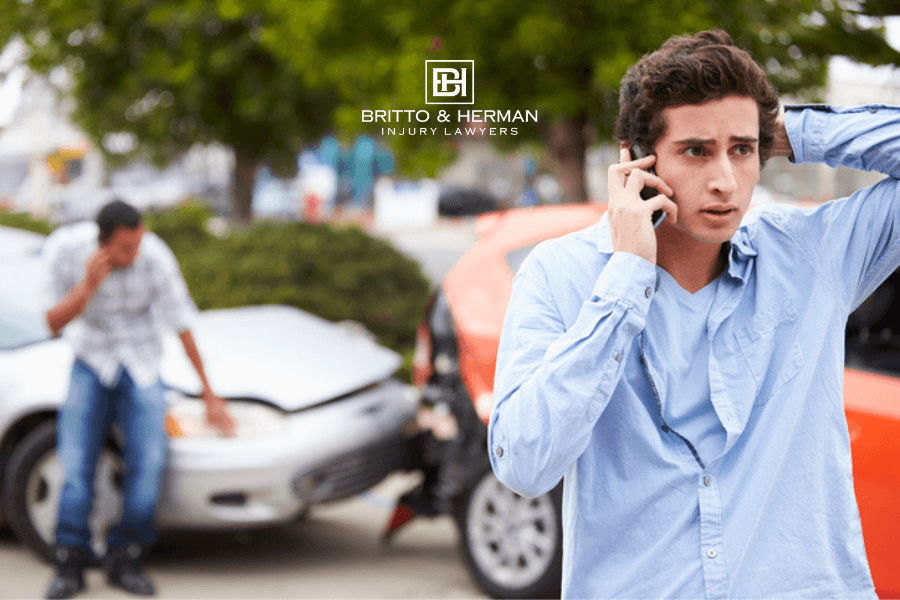
    If you’re involved in a crash you might wonder: “What information do you exchange in a car accident?” Knowing what information to exchange can significantly impact the outcome of any legal or insurance proceedings that follow. In this blog, we’ll cover the essential details to gather at the scene of an accident in Florida, ensuring you’re well-prepared to protect your interests.

    Understanding these requirements not only helps you comply with Florida law but also provides a solid foundation for any claims or legal actions that may follow. Let’s explore the key information you should exchange in the aftermath of a collision on Florida’s roads.

    Stay Calm and Ensure Safety First

    Before exchanging any information, prioritize safety. If anyone is injured, call 911 immediately. Move your vehicle out of traffic if possible, and turn on your hazard lights to alert other drivers. Ensuring everyone is safe is your first responsibility at the scene of an accident.

    Call the Police

    In Florida, you are required to report any accident that results in injury, death, or property damage exceeding $500. Even if the damage seems minor, the costs of repairs can add up, so it’s usually best to report the accident. Additionally, having a police report can be invaluable when filing insurance claims or dealing with potential legal disputes.

    The responding officer will document the necessary details and provide you with a case number or incident number. You can use this number to obtain a copy of the police report later, which will be essential for your insurance claim. This report serves as an official record of what occurred and helps establish the facts of the accident.

    Exchange Basic Contact Information

    Once safety is assured and the police have been called, it’s time to exchange contact information with the other driver(s) involved. Be sure to collect and the following details from the other driver(s):

    • Full name
    • Phone number
    • Address
    • Email address

    You should also provide your own contact details to the other driver(s). Taking down this basic information accurately is essential for both your insurance company and for any follow-up that might be needed.

    Gather Insurance Information

    Insurance information is critical for settling claims. Be sure to collect the following details from the other driver(s):

    • Name of their insurance company
    • Policy number
    • Contact information for their insurance company (if available)

    Provide your own insurance details in return. The name of the insurance company and the policy number are the most important pieces of information to exchange. This will help ensure a smoother claims process after the accident.

    Document Vehicle Information

    Gathering information about the vehicles involved will assist in filing your insurance claim. Be sure to note:

    • Make, model, and year of each vehicle
    • License plate numbers
    • Vehicle Identification Numbers (VIN) – this can usually be found on the driver’s side dashboard or door jamb.

    Collect Witness Information

    If there are any independent witnesses to the accident, try to get their contact information. Their perspective could be crucial if there is any dispute about how the accident occurred. Independent witnesses (people not involved in the accident) tend to be more reliable.

    Take Photos and Notes

    Documenting the scene of the accident can be invaluable for your insurance claim or any legal proceedings. Use your smartphone to capture:

    • Photos of damage to all vehicles involved
    • The overall accident scene, including street signs or landmarks
    • Visible injuries, if any

    It’s also helpful to take notes about the accident while the details are still fresh in your mind. Include specifics like:

    • Date and time of the accident
    • Weather and road conditions
    • Your recollection of how the accident occurred

    The more detailed your notes, the better prepared you’ll be for future discussions with insurance adjusters or attorneys.

    Obtain the Police Officer’s Information

    If law enforcement responds to the scene, be sure to collect the following:

    • The officer’s name and badge number
    • The police report number
    • Instructions on how to obtain a copy of the report

    This official documentation will be important for your insurance claim and any legal actions.

    What Not to Do

    While it’s important to gather information, there are a few things you should avoid doing:

    • Don’t admit fault or apologize – Even casual statements like “I’m sorry” can be interpreted as admitting fault. Let the police and insurance companies determine who is responsible.
    • Don’t discuss the details of the accident beyond exchanging necessary information with the other driver. Keep conversations brief and factual.
    • Don’t sign any documents unless they’re from law enforcement or your insurance agent.
    • Never leave the scene without exchanging information, as doing so could be considered a hit-and-run, which carries severe penalties in Florida, including fines, license suspension, or even jail time, depending on the severity of the accident.

    After the Accident

    Once you’ve gathered all the necessary information, follow these steps to protect your interests:

    • Contact your insurance company as soon as possible to report the accident and begin the claims process. In Florida, which follows a no-fault system, your Personal Injury Protection (PIP) insurance will cover your injuries regardless of who caused the accident, up to a certain limit.
    • Seek medical attention even if you feel fine. Injuries like whiplash or concussions may not show up immediately, so it’s important to get checked by a medical professional.
    • Keep all documents and information related to the accident, including medical records, insurance communications, and any police reports, in a safe place for future reference.

    Promptly reporting the accident to your insurance company ensures you receive PIP benefits and any other applicable coverage to address your injuries and damages.

    Gathering the right information after a car accident in Florida is essential to protecting your rights and ensuring a smooth claims process. By staying calm, following the proper steps, and being thorough with the details you collect, you set yourself up for a more straightforward resolution with insurance companies and any legal issues that may arise. A little preparation can make all the difference when it comes to safeguarding your interests after an accident.

    Injured in a Florida Car Accident? Get the Support You Need

    You’ve gathered the necessary information after your accident, but now you’re faced with mounting medical bills and lost wages due to someone else’s careless driving. The road to recovery can be challenging, especially when dealing with insurance companies and legal procedures.

    At Britto & Herman Injury Lawyers, we understand the complexities of Florida car accident cases. Our team, led by Board Certified Trial Lawyer Daniel Britto, Esq. and his partner Michael S. Herman, Jr., Esq., has a track record of successfully representing injured drivers like you. As experienced car accident lawyers, we know how to make the most of the information you’ve collected.

    We can help you navigate the legal process, ensuring all the information you’ve collected is used effectively to support your case. From dealing with insurance adjusters to calculating the full extent of your damages, we’ll be by your side every step of the way. When you’re searching for a “personal injury lawyer near me,” look no further than our dedicated team.

    Don’t let the stress of handling a legal claim interfere with your recovery. Reach out to us at (561) 835-5555 or use our confidential online form to schedule a free consultation. Our office at 1001 W. Indiantown Road in Jupiter is ready to welcome you, and we’re available around the clock to address your concerns.

    Time is crucial in injury cases, so don’t delay. One conversation with Britto & Herman Injury Lawyers could be the turning point in your recovery journey. Let us put our skills as your lawyer for auto accidents to work for you while you focus on getting better.

    Copyright © 2024. Britto & Herman Injury Lawyers. All rights reserved.

    The information in this blog post (“post”) is provided for general informational purposes only and may not reflect the current law in your jurisdiction. No information in this post should be construed as legal advice from the individual author or the law firm, nor is it intended to be a substitute for legal counsel on any subject matter. No reader of this post should act or refrain from acting based on any information included in or accessible through this post without seeking the appropriate legal or other professional advice on the particular facts and circumstances at issue from a lawyer licensed in the recipient’s state, country, or other appropriate licensing jurisdiction.

    Britto & Herman Injury Lawyers
    1001 W Indiantown Rd., Suite 101
    Jupiter, FL 33458
    (561) 835-5555
    https://staging.brittoherman.com/
  • Auto Accidents FAQs

    Auto Accidents FAQs

    Frequently Asked Questions About Auto Accidents in Florida

    What are the most common auto accident cases in Florida?

    Common types of auto accident cases in Florida include the following: rear-end collisions, left-turn crashes, sideswipe accidents, head-on collisions, drunk driving accidents, and distracted driving accidents.

    What should I do immediately after an auto accident in Florida?

    Following an auto accident in Florida, it is important to prioritize safety by securing a safe location, checking for injuries, and seeking medical attention. Once the immediate situation is under control, document the scene with photos, videos, and detailed notes, and promptly consult with an experienced auto accident attorney.

    What types of damages can I claim following an auto accident in Florida?

    Following an auto accident in Florida, you can claim economic damages (medical bills, lost wages, property damage) and non-economic damages (pain and suffering, emotional distress). Consulting with an experienced auto accident attorney is crucial to understanding your options.

    Can I still file a claim if I was partially at fault for an auto accident in Florida?

    You can still file a claim if you were partially at fault for an auto accident in Florida, but you would be ineligible for compensation if you are deemed to be more than 50% at fault for the accident. Florida follows a modified comparative negligence rule, which means that any fault you share in the accident will reduce the amount of compensation you receive but won’t completely bar you from filing a claim.

    How long do I have to file an auto accident claim in Florida?

    In Florida, the statute of limitations for personal injury claims is two years from the date of the accident.

  • Do You Have to Call the Police After an Accident in Florida?

    Do You Have to Call the Police After an Accident in Florida?

    You’re cruising down a palm-lined Florida street, enjoying the sunshine and coastal breeze. Suddenly, the screech of tires breaks the calm, and you find yourself in a fender bender. As you step out of your car, a thousand thoughts race through your mind. Among them is a crucial question: “Do you have to call the police after an accident?” It’s a common dilemma faced by many Florida drivers, and the answer isn’t always straightforward. In the next few minutes, we’ll unpack this question and guide you through the ins and outs of Jupiter car accident reporting in the Sunshine State.

    Florida’s Accident Reporting Laws

    Florida law doesn’t require you to call the police for every fender bender, but there are specific situations where contacting law enforcement isn’t just recommended—it’s mandatory. According to Florida Statutes Section 316.065, you must report an accident to the police if:

    • There are injuries or fatalities
    • A vehicle needs to be towed from the scene
    • The accident involves a commercial vehicle
    • There’s suspicion of drunk driving
    • One of the drivers leaves the scene (hit and run)
    • There’s significant property damage, of at least $500

    It’s important to note that assessing property damage, especially in the immediate aftermath of a crash, can be difficult. What may seem like minor damage at first glance could exceed the $500 threshold once a closer inspection is done. Given this uncertainty, when in doubt, it’s safer to call the police and have the accident documented properly to avoid any legal issues later.

    Even if your situation doesn’t fall into these categories, calling the police can still be a wise decision. Let’s explore why.

    Benefits of Calling the Police After an Accident

    Creating an Official Record

    When you call the police after an accident, they create an official accident report. This document can be invaluable for several reasons:

    • It provides an unbiased account of the incident
    • It includes important details you might forget later
    • It can help with insurance claims
    • It may be crucial if you need to take legal action later

    Remember, in the stress of an accident, you might miss important details. A police officer is trained to gather all relevant information systematically.

    Facilitating Evidence Collection

    Police officers are experienced in collecting and documenting evidence at accident scenes. They can:

    • Take photographs of the damage and accident scene
    • Interview witnesses and collect their contact information
    • Note road and weather conditions
    • Identify and document any traffic violations that may have contributed to the accident

    This evidence can be critical if there’s a dispute about who was at fault or if you need to make an insurance claim.

    What to Do While Waiting for the Police

    If you’ve decided to call the police, there are several steps you should take while waiting for them to arrive:

    • Ensure your safety: If possible, move your vehicle to a safe location out of traffic
    • Check for injuries: Make sure everyone involved is okay. If there are injuries, call 911 immediately
    • Exchange information: Get the name, contact details, and insurance information of all parties involved
    • Document the scene: If it’s safe to do so, take photos of the vehicles, damage, and surrounding area
    • Find witnesses: If there are any witnesses, ask for their contact information
    • Don’t admit fault: Even if you think you might be responsible, avoid saying so. Florida follows a comparative fault system, meaning fault can be divided between drivers. Let the police and insurance companies determine fault

    When You Might Not Need to Call the Police

    For minor accidents with no injuries and minimal property damage (under $500), you might choose not to involve the police. In these cases:

    • Exchange information with the other driver(s)
    • Take plenty of photos of the damage and accident scene
    • File a report with your insurance company as soon as possible

    However, keep in mind that what seems like minor damage could turn out to be more serious upon closer inspection. Injuries like whiplash or hidden vehicle damage might not be immediately obvious. When in doubt, it’s often better to err on the side of caution and call the police. Some insurance companies also require a police report to process claims, so be sure to check your policy requirements.

    The Importance of Timely Reporting

    If you don’t call the police at the scene, you’re not necessarily off the hook for reporting the accident. Under Florida Statutes Section 316.066, you must report any crash resulting in injury, death, or property damage over $500 within 10 days. You can do this by filing a Driver Report of Traffic Crash (Self Report) with the Florida Department of Highway Safety and Motor Vehicles (FLHSMV).

    Failing to report an accident when required can result in serious consequences, including fines and potential license suspension. It’s always better to report an accident you’re unsure about than to risk the penalties of not reporting one you should have.

    While you don’t always have to call the police after an accident in Florida, doing so can provide valuable protection and documentation. If there are injuries, significant damage, or any doubt about the severity of the accident, it’s wise to involve law enforcement. Remember, the immediate aftermath of an accident can be chaotic and stressful. Having a police officer on the scene can help ensure that all necessary information is collected and documented properly, potentially saving you from headaches down the road. Stay safe on those Florida roads, and remember: when in doubt, it’s better to make the call.

    Searching Online for a “Personal Injury Lawyer Near Me?”

    Your search ends here. If you’re looking for a personal injury lawyer after a car accident in Florida, you’re likely dealing with injuries, pain, and a host of unanswered questions. You might be wondering if you made the right choice about calling the police, or if it’s too late to file a report. These concerns shouldn’t burden you while you’re trying to recover.

    At Britto & Herman Injury Lawyers, we understand the challenges you’re facing. Our team, led by Board Certified Trial Lawyer Daniel Britto, Esq. and his partner Michael S. Herman, Jr., Esq., has extensive experience helping injured Florida drivers like you. We know the intricacies of Florida’s accident reporting laws and how they can impact your injury claim.

    Whether you called the police or not, we can help protect your rights and pursue the compensation you need for your recovery. Our Jupiter car accident lawyer team can guide you through the next steps, deal with insurance companies on your behalf, and ensure that all necessary documentation is in order.

    Don’t let uncertainty about police involvement or accident reporting jeopardize your injury claim. Take the first step towards peace of mind and proper compensation. Call us at [phone_number dsk_contact=’true’/] or fill out our confidential online form to schedule a free consultation. Our office is conveniently located at 1001 W. Indiantown Road in Jupiter, and we’re available 24/7 to assist you.

    Remember, time is critical in injury cases. The sooner you reach out, the sooner we can start addressing your concerns and protecting your interests. One call to Britto & Herman Injury Lawyers could make a significant difference in your recovery journey.

    Let us handle the legal complexities while you focus on healing. Contact us today and get the support and guidance you need after your accident.

    Copyright © 2024. Britto & Herman Injury Lawyers. All rights reserved.

    The information in this blog post (“post”) is provided for general informational purposes only and may not reflect the current law in your jurisdiction. No information in this post should be construed as legal advice from the individual author or the law firm, nor is it intended to be a substitute for legal counsel on any subject matter. No reader of this post should act or refrain from acting based on any information included in or accessible through this post without seeking the appropriate legal or other professional advice on the particular facts and circumstances at issue from a lawyer licensed in the recipient’s state, country, or other appropriate licensing jurisdiction.

    Britto & Herman Injury Lawyers
    1001 W Indiantown Rd., Suite 101
    Jupiter, FL 33458
    [phone_number dsk_contact=’true’/]
    https://staging.brittoherman.com/

  • What You Need to Know About Florida Bicycle Laws

    What You Need to Know About Florida Bicycle Laws

    Cycling in Florida is an enjoyable way to get around, whether you’re commuting, exercising, or just exploring the beautiful scenery. But before you hit the road, it’s important to understand Florida bicycle laws to ensure your safety and the safety of others. Florida has specific regulations that every cyclist must follow. This blog will walk you through the key laws and responsibilities you need to know to cycle legally and confidently in the Sunshine State.

    Your Rights on the Road

    In Florida, a bicycle is legally considered a vehicle. This means that as a cyclist, you have the same rights as drivers of motor vehicles. You are entitled to use the road, and vehicles must share the road with you. However, with these rights come certain responsibilities. For instance, when you’re riding on the road, you must obey all traffic signals and signs, just as any other vehicle would.

    One of the most critical rights you have as a cyclist is the right to use a full lane if necessary. Florida law allows you to leave the bike lane or the right side of the road under specific circumstances, such as to avoid hazards, prepare for a left turn, or if the lane is too narrow for a car and bicycle to share safely. This ensures that you can navigate the roads safely without being squeezed by passing vehicles.

    Staying Safe: Your Responsibilities

    While cycling on Florida roads, you must adhere to certain safety rules. For instance, your bicycle must be equipped with a white front light that is visible from at least 500 feet and a red rear light visible from 600 feet if you are riding between sunset and sunrise. These lights are crucial for ensuring that you are visible to other road users during low-light conditions.

    Helmet use is another important safety measure. In Florida, cyclists under the age of 16 are required by law to wear a helmet. However, it’s a good idea for all cyclists, regardless of age, to wear one. A helmet can protect you from serious head injuries in case of an accident.

    Moreover, your bike must have working brakes that can stop the bike within 25 feet when riding at a speed of 10 mph. This is particularly important for preventing accidents, especially in busy areas or on steep descents.

    Riding on Sidewalks and Crosswalks

    Florida law generally allows cyclists to ride on sidewalks, but local ordinances can vary. In some cities, riding on the sidewalk may be prohibited, so it’s important to check local rules before you do so. When you are riding on a sidewalk, you have the same rights and responsibilities as pedestrians. This means you must yield to pedestrians and give an audible signal before passing them from behind.

    Additionally, intersections are always considered crosswalks, even if they are not marked as such. When crossing at intersections, whether on a bike or on foot, make sure to do so safely and be aware of turning vehicles.

    Shared-Use Paths and E-Bikes

    Florida boasts many shared-use paths that are perfect for cycling. These paths are separated from motor vehicle traffic, making them a safer option for cyclists. However, some paths may have specific rules, such as speed limits or restrictions on e-bikes, so it’s essential to look for signs or check with the local municipality before riding.

    E-bikes are becoming increasingly popular in Florida, and the state has specific regulations regarding their use. E-bikes are classified into three categories based on their speed and motor capabilities. It’s important to know the class of your e-bike and follow the relevant rules, especially regarding where you can ride and how fast you can go. For instance, certain shared-use paths may not allow Class 2 or Class 3 e-bikes due to their higher speeds.

    Local vs. State Laws

    While Florida has statewide bicycle laws, local governments can impose additional regulations. This means that some rules, such as those regarding sidewalk riding or e-bike usage, can vary from one city to another. Always be aware of the local laws in the area where you are riding to avoid any legal issues.

    Key Takeaways

    • Equal Rights on the Road: In Florida, cyclists have the same rights as motor vehicle drivers, including the right to use a full lane when necessary for safety.
    • Safety First: Equip your bike with proper lights for night riding, wear a helmet (especially if you’re under 16), and ensure your brakes are in good working order.
    • Sidewalk and Crosswalk Etiquette: You can generally ride on sidewalks, but always yield to pedestrians and give an audible signal before passing.
    • Shared-Use Paths and E-Bikes: Know the specific rules for shared-use paths and e-bikes, including speed limits and where e-bikes are permitted.
    • Stay Informed Locally: Local laws may vary, so always check the specific regulations in the area where you plan to ride.

    These key points will help you navigate Florida’s bicycle laws confidently and safely, ensuring a positive experience on your rides.

    Cycling in Florida can be a safe and enjoyable experience if you are aware of the laws and follow them diligently. Remember, you have the right to use the road, but with that right comes the responsibility to obey traffic laws and ensure your safety and the safety of others. Whether you’re on a roadway, sidewalk, or shared-use path, knowing the rules will help you ride confidently and legally.

    Britto & Herman Injury Lawyers – The Voice for Florida Injury Victims

    Despite following all safety protocols, a bicycle accident caused by someone else’s negligence can leave you dealing with serious injuries, mounting medical bills, and uncertainty about the future. You don’t have to face this alone. At Britto & Herman Injury Lawyers, our team is here to help. As your local “bicycle accident attorneys near me,” we understand the complexities of Florida’s bicycle laws and are committed to fighting for the compensation you need. Our compassionate team, led by Board Certified Trial Lawyer Daniel Britto, Esq. and his partner Michael S. Herman, Jr., Esq., is ready to stand by your side and fight for compensation for your injuries.

    As Florida bicycle accident lawyers, we know how to handle insurance companies that may try to minimize your claim. Your recovery is our priority, and we’re ready to start building your case today. Contact us at [phone_number dsk_contact=’true’/] or fill out our confidential online form to schedule a free consultation with a Jupiter personal injury attorney at our office located at 1001 W. Indiantown Road. We’re available 24/7 to assist you.

    Don’t wait—time is critical in bicycle accident cases. Reach out now so we can start protecting your rights and helping you focus on what matters most—your recovery. Let Britto & Herman Injury Lawyers stand by your side. One call could make all the difference.

    Copyright © 2024. Britto & Herman Injury Lawyers. All rights reserved.

    The information in this blog post (“post”) is provided for general informational purposes only and may not reflect the current law in your jurisdiction. No information in this post should be construed as legal advice from the individual author or the law firm, nor is it intended to be a substitute for legal counsel on any subject matter. No reader of this post should act or refrain from acting based on any information included in or accessible through this post without seeking the appropriate legal or other professional advice on the particular facts and circumstances at issue from a lawyer licensed in the recipient’s state, country, or other appropriate licensing jurisdiction.

    Britto & Herman Injury Lawyers
    1001 W Indiantown Rd., Suite 101
    Jupiter, FL 33458
    [phone_number dsk_contact=’true’/]
    https://staging.brittoherman.com/

  • 5 Common Causes of Motorcycle Accidents in Jupiter, Florida

    5 Common Causes of Motorcycle Accidents in Jupiter, Florida

    As you cruise down the sun-drenched streets of Jupiter, Florida, the wind in your hair and the roar of your motorcycle’s engine beneath you, it’s easy to feel invincible. But the harsh reality is that motorcycle accidents can happen in an instant, often with devastating consequences. Understanding the common causes of these accidents can help you stay safe on the roads and potentially save your life.

    In Jupiter, where the beautiful weather encourages year-round riding, motorcyclists face unique challenges. From distracted drivers to hazardous road conditions, numerous factors can contribute to a serious accident. Let’s explore the five most common causes of motorcycle accidents in this picturesque Florida town, and learn how you can protect yourself while enjoying the freedom of the open road.

    1. Distracted Driving

    In today’s connected world, distracted driving has become an epidemic, and it’s particularly dangerous for motorcyclists. You’ve probably seen it countless times – drivers checking their phones, adjusting their GPS, or even eating while behind the wheel. These seemingly small distractions can have catastrophic consequences when a motorcycle is involved.

    When a driver takes their eyes off the road for just a few seconds, they may fail to notice a motorcyclist changing lanes or slowing down. This lack of attention can lead to rear-end collisions, sideswipes, or even head-on crashes. As a motorcyclist, you’re more vulnerable to injury in these situations due to your lack of protection compared to those in enclosed vehicles.

    To protect yourself, always assume that other drivers aren’t paying attention. Stay alert, maintain a safe following distance, and try to position yourself where you’re most visible to other motorists. Consider wearing bright or reflective gear to increase your visibility, especially during dawn, dusk, or nighttime rides.

    2. Left-Turn Accidents

    One of the most dangerous scenarios for motorcyclists occurs when a car makes a left turn at an intersection. Often, drivers fail to see an oncoming motorcycle or misjudge its speed, leading to a collision. These accidents can be particularly severe, as they often result in the motorcyclist being thrown from their bike.

    In Jupiter, where many intersections are busy with both local traffic and tourists, this danger is ever-present. To reduce your risk, approach intersections with caution, even when you have the right of way. Watch for vehicles waiting to turn left, and be prepared to take evasive action if necessary. Slowing down slightly as you enter an intersection can give you precious extra seconds to react if a driver suddenly turns in front of you.

    3. Speeding and Reckless Driving

    The thrill of the ride can sometimes tempt you to push the limits, but speeding and reckless driving significantly increase your risk of an accident. In Jupiter, where long stretches of coastal roads can seem inviting for a high-speed ride, it’s crucial to resist this urge.

    Excessive speed reduces your reaction time and increases the severity of injuries in the event of a crash. It also makes it harder for other drivers to accurately judge your approach, potentially leading to misjudgments and collisions.

    Remember, the goal is to enjoy the ride and arrive safely at your destination. Obey posted speed limits and adjust your speed according to road and weather conditions. Avoid aggressive maneuvers like weaving between lanes or tailgating, which can startle other drivers and lead to accidents.

    4. Impaired Driving

    Jupiter’s vibrant nightlife and beach culture can sometimes lead to impaired driving incidents. Whether it’s alcohol, drugs, or even certain medications, impaired driving poses a serious threat to everyone on the road, especially motorcyclists.

    As a motorcyclist, you need all your faculties to operate your bike safely. Impairment affects your judgment, reaction time, and coordination – all critical skills for motorcycle riding. But it’s not just your own potential impairment you need to worry about. Other drivers who are under the influence may have difficulty seeing or properly reacting to a motorcycle on the road.

    Always ride sober, and be extra cautious during times when impaired driving is more common, such as weekend nights or during local events and festivals. If you plan to drink, arrange for alternative transportation. Your life is worth far more than the inconvenience of leaving your motorcycle behind for a night.

    5. Hazardous Road Conditions

    While Jupiter’s weather is generally favorable for riding, sudden rain showers, debris on the road, or poorly maintained surfaces can create hazardous conditions for motorcyclists. Wet roads reduce traction, making it easier to lose control of your bike. Potholes, gravel, or other debris can cause you to swerve unexpectedly or even crash.

    Stay informed about weather conditions before you ride, and be prepared to adjust your plans if necessary. When riding, scan the road ahead for potential hazards and maintain a speed that allows you to react safely. If you encounter unexpected bad weather or dangerous road conditions, don’t hesitate to pull over and wait it out.

    By understanding these common causes of Jupiter motorcycle accidents, you can take proactive steps to protect yourself. Remember, your safety is paramount. While the freedom and exhilaration of motorcycle riding are unparalleled, they come with a responsibility to ride defensively and remain vigilant at all times.

    Whether you’re a local enjoying your daily commute or a visitor taking in the beauty of Jupiter’s coastline, stay safe, stay alert, and enjoy the ride. Your loved ones are counting on you to return home safely after every journey.

    Have You Been Injured in a Motorcycle Accident Due to Another’s Negligence?

    You never thought it would happen to you. One moment, you were enjoying the freedom of the open road on your motorcycle. The next moment, you’re facing the painful aftermath of an accident caused by someone else’s negligence. The physical injuries are just the beginning – now you’re dealing with mounting medical bills, lost wages, and the stress of navigating a complex legal system.

    But you don’t have to face this challenging journey alone. At Britto & Herman Injury Lawyers, our Florida motorcycle accident lawyers understand the unique struggles that motorcycle accident victims face. Our compassionate team, led by Board Certified Trial Lawyer Daniel Britto, Esq. and his partner Michael S. Herman, Jr., Esq., is ready to stand by your side and fight for compensation for your injuries.

    Don’t let insurance companies pressure you into accepting a lowball offer. Your recovery – both physical and financial – is too important. Reach out to us today at (561) 835-5555 or fill out our online form to schedule your free consultation with a Jupiter personal injury lawyer. Our Jupiter office at 1001 W. Indiantown Road is ready to welcome you, and we’re available 24/7 to address your concerns.

    Remember, time is critical in motorcycle accident cases. The sooner you contact us, the sooner we can start building your case and protecting your rights. Let us handle the legal complexities while you focus on what matters most – your recovery.

    You’ve been through enough already. Let Britto & Herman Injury Lawyers guide you towards justice and compensation. Your road to recovery starts with one call – make it today.

    Copyright © 2024. Britto & Herman Injury Lawyers. All rights reserved.

    The information in this blog post (“post”) is provided for general informational purposes only and may not reflect the current law in your jurisdiction. No information in this post should be construed as legal advice from the individual author or the law firm, nor is it intended to be a substitute for legal counsel on any subject matter. No reader of this post should act or refrain from acting based on any information included in or accessible through this post without seeking the appropriate legal or other professional advice on the particular facts and circumstances at issue from a lawyer licensed in the recipient’s state, country, or other appropriate licensing jurisdiction.

    Britto & Herman Injury Lawyers
    1001 W Indiantown Rd., Suite 101
    Jupiter, FL 33458
    (561) 835-5555
    https://staging.brittoherman.com/
  • 11 Tips to Stay Safe on Your Summer Road Trip in Florida

    11 Tips to Stay Safe on Your Summer Road Trip in Florida

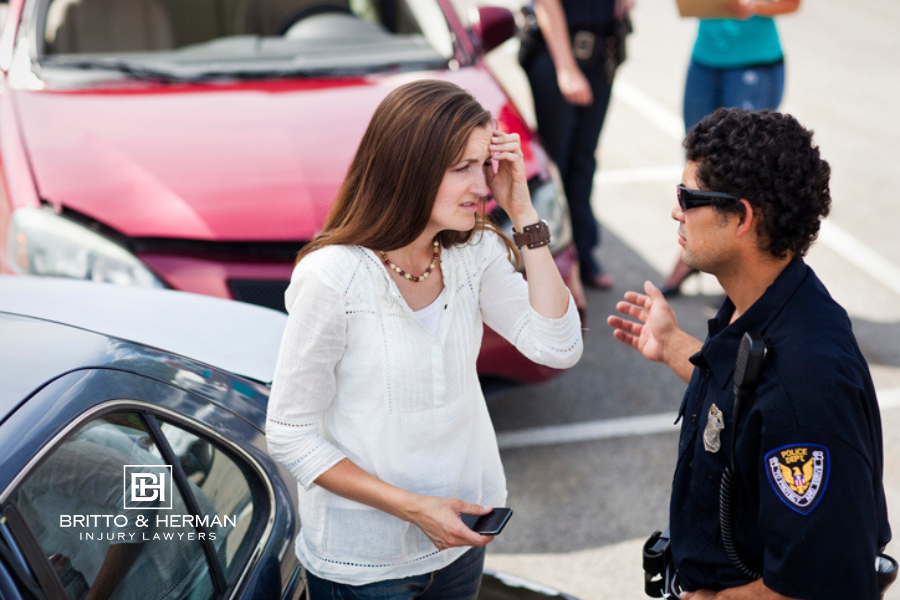
    Whether you’re a Florida native looking to explore your home state or an eager traveler planning a vacation in the Sunshine State, a summer road trip is an excellent way to experience all that Florida has to offer. From its stunning beaches and thrilling theme parks to its vibrant cities and natural wonders, Florida promises an unforgettable adventure. However, before you hit the road, it’s crucial to prioritize your safety.

    In this blog post, we’ll share 11 essential tips to ensure your Florida road trip is not only enjoyable but also safe and worry-free. Whether you’re a seasoned Floridian or a first-time visitor, these tips will help you navigate the state’s unique challenges and make the most of your summer journey.

    1. Plan Your Route and Share Your Itinerary

    Before setting off on your Florida road trip, take the time to plan your route in detail. Use resources like Google Maps, TripAdvisor, and local travel blogs to identify the best roads, scenic routes, and potential stops along the way. Consider factors such as travel time, road conditions, and construction projects that may impact your journey.

    To ensure you’re prepared for any situation, it’s a good idea to have a printed map of your route as a backup in case you end up in an area with poor reception for GPS navigation. You can also download offline maps or instructions for your planned route, which can be accessed even without an internet connection.

    Once you have your itinerary finalized, share it with a trusted friend or family member. Provide them with a copy of your planned route, estimated arrival times, and contact information for your accommodations. This way, someone will be aware of your whereabouts and can act quickly if an emergency arises.

    2. Check Your Vehicle Before Departing

    To ensure a smooth and safe road trip, give your vehicle a thorough inspection before departing. Start by checking your tire pressure and tread depth. Properly inflated tires with good tread can improve fuel efficiency and handling, especially in Florida’s rainy weather. Don’t forget to check your spare tire as well.

    Next, examine your vehicle’s fluid levels, including engine oil, coolant, brake fluid, and windshield washer fluid. If any of these are low, top them off before hitting the road. It’s also a good idea to have your brakes inspected and replace any worn brake pads to ensure optimal stopping power.

    Finally, test your vehicle’s battery, air conditioning, and windshield wipers. Florida’s heat and frequent rain showers can put extra strain on these components, so it’s crucial to make sure they’re functioning properly.

    3. Stay Hydrated and Pack Snacks

    Florida’s humid climate can quickly lead to dehydration, especially during the summer months. To stay hydrated on your road trip, carry a cooler filled with plenty of water bottles. Aim to drink at least 8 ounces of water per hour, and more if you’re engaging in physical activities or spending time outdoors.

    In addition to water, pack a variety of healthy snacks to keep your energy levels up and minimize the need for frequent stops. Some great options include fresh fruits, vegetables, nuts, and granola bars. Avoid snacks high in sugar and sodium, as they can contribute to dehydration and make you feel sluggish.

    4. Protect Yourself from the Sun

    Florida is known for its abundant sunshine, which means protecting your skin should be a top priority during your road trip. Apply a broad-spectrum sunscreen with an SPF of at least 30 to all exposed skin, including your face, neck, arms, and legs. Remember to reapply every two hours, or more frequently if you’re swimming or sweating heavily.

    In addition to sunscreen, wear protective clothing to shield your skin from the sun’s harmful rays. Opt for lightweight, breathable fabrics in light colors, and consider investing in UPF-rated clothing for extra protection. Don’t forget to wear a wide-brimmed hat and sunglasses with UV protection to safeguard your face and eyes.

    5. Be Mindful of Wildlife

    Florida is home to a diverse array of wildlife, from alligators and snakes to manatees and sea turtles. When exploring natural areas during your road trip, be mindful of your surroundings and take precautions to avoid disturbing or encountering wildlife.

    Stick to designated trails and boardwalks, and avoid venturing into tall grass, brush, or murky water where animals may be hiding. If you do encounter wildlife, maintain a safe distance and never attempt to feed or interact with them. Remember, these are wild animals and can behave unpredictably if they feel threatened.

    When driving, be especially cautious at dawn and dusk when many animals are most active. If you spot an animal on the road, slow down and wait for it to cross safely. Avoid swerving, as this can cause you to lose control of your vehicle and potentially lead to a serious accident.

    6. Know the Local Traffic Laws

    Before embarking on your Florida road trip, familiarize yourself with the state’s traffic laws to avoid any legal trouble or unsafe situations. One important law to keep in mind is Florida’s “Move Over” law, which requires drivers to move over one lane or slow down when approaching stopped emergency vehicles, sanitation vehicles, or tow trucks.

    Florida also has strict laws regarding the use of cell phones while driving. Texting while driving is illegal, and handheld phone use is prohibited in school and work zones. Familiarize yourself with these laws and invest in a hands-free device if needed to stay safe and avoid fines.

    7. Be Prepared for Inclement Weather

    Florida is known for its sudden afternoon thunderstorms and explosive hurricanes, so it’s essential to be prepared for inclement weather during your road trip. Keep an eye on the weather forecast and plan your route accordingly. If you do encounter heavy rain or strong winds while driving, reduce your speed, turn on your headlights, and increase your following distance to allow for longer stopping times.

    If conditions become too dangerous to continue driving, look for a safe place to pull over, such as a rest area or parking lot. Avoid stopping on the shoulder of the road, as this can put you at risk of being hit by other vehicles. Wait for the storm to pass before continuing your journey.

    It’s also a good idea to pack an emergency kit in case you get stranded during inclement weather. Include items such as a flashlight, extra batteries, a first-aid kit, bottled water, non-perishable snacks, and a battery-powered radio to stay informed about weather updates and road conditions.

    8. Keep Your Valuables Secure

    Tourist areas in Florida can be prime targets for thieves, so it’s crucial to keep your valuables secure during your road trip. When leaving your vehicle unattended, always lock your doors and keep any valuable items, such as electronics, jewelry, or cash, out of sight. Consider storing them in the trunk or a hidden compartment, or better yet, bring them with you if possible.

    When staying at hotels or vacation rentals, use the provided safe or lockbox to store your valuables. Avoid leaving them in plain sight or unattended in common areas. If you’re visiting the beach or a water park, use a waterproof bag or a locker to keep your belongings safe while you swim.

    9. Stay Alert and Avoid Distractions

    Distracted driving is a major cause of accidents, so it’s essential to stay focused and alert while behind the wheel. Avoid using your phone, eating, or engaging in other activities that take your attention away from the road. If you need to make a call, send a text, or program your GPS, pull over to a safe location first.

    To maintain your focus during long stretches of driving, take regular breaks to stretch your legs, use the restroom, and refresh yourself. Plan to stop every 2-3 hours or whenever you feel fatigued. If possible, switch drivers periodically to avoid drowsy driving.

    10. Have Emergency Contacts on Hand

    Before setting off on your Florida road trip, create a list of emergency contacts and keep it easily accessible. Include the names, phone numbers, and addresses of family members, friends, and any local contacts you may have in Florida. Also, research and save the contact information for roadside assistance services, such as AAA or your vehicle’s manufacturer.

    In addition to your digital list, keep a physical copy of your emergency contacts in your glove compartment or another easily accessible location in your vehicle. In case your phone runs out of battery or you’re in an area with poor reception, you’ll still have a way to reach out for help if needed.

    11. Trust Your Instincts

    Finally, trust your instincts when it comes to safety during your Florida road trip. If a situation feels unsafe or uncomfortable, don’t hesitate to remove yourself from it. Whether it’s a sketchy rest stop, a suspicious individual, or a potentially dangerous road condition, it’s always better to err on the side of caution.

    If you do find yourself in a situation where you feel threatened or witness suspicious activity, don’t hesitate to contact local authorities. Call 911 in case of an emergency, or reach out to the non-emergency number of the local police department for less urgent situations.

    By following these tips, you’ll be well-equipped to have a safe and enjoyable summer road trip through Florida. Remember, prioritizing your safety and well-being will allow you to fully enjoy all the amazing experiences the Sunshine State has to offer.

    Stay Safe on the Road, But Know Help Is Available if You Get in a Car Accident

    While we hope that your Florida road trip is filled with only happy memories and safe travels, it’s important to remember that accidents can happen to even the most cautious drivers. If you or someone you love is involved in a car wreck, know that you don’t have to face the aftermath alone. The dedicated car wreck attorneys at Britto & Herman Injury Lawyers are here to help you navigate the legal process and fight for the maximum compensation for your injuries.

    Our skilled attorneys, led by Board Certified Trial Lawyer Daniel Britto, Esq. and his partner Michael S. Herman, Jr., Esq. have over 30 years of combined experience handling complex car accident cases. We can help you understand Florida’s unique laws, communicate with insurance companies, and fight for the best possible outcome in your case.

    We understand the physical, emotional, and financial challenges that come with being involved in a serious collision, and are committed to providing compassionate, personalized legal representation to each and every client.

    If you find yourself searching for a “car wreck lawyer near me” following an accident on your Florida road trip, look no further than Britto & Herman. We offer free, no-obligation consultations to help you understand your legal options and make informed decisions about your case.

    Don’t wait to get the legal help you need after a car wreck. Contact us today at (561) 835-5555 or complete our online form to schedule your free consultation with a skilled Jupiter personal injury lawyer. Our office is conveniently located in Jupiter at 1001 W. Indiantown Road, and we serve clients throughout the Jupiter area and beyond. For your convenience, we also offer 24/7 availability, virtual consultations, and a streamlined, paperless process to ensure your legal journey is as smooth as possible.

    Copyright © 2024. Britto & Herman Injury Lawyers. All rights reserved.

    The information in this blog post (“post”) is provided for general informational purposes only and may not reflect the current law in your jurisdiction. No information in this post should be construed as legal advice from the individual author or the law firm, nor is it intended to be a substitute for legal counsel on any subject matter. No reader of this post should act or refrain from acting based on any information included in or accessible through this post without seeking the appropriate legal or other professional advice on the particular facts and circumstances at issue from a lawyer licensed in the recipient’s state, country, or other appropriate licensing jurisdiction.

    Britto & Herman Injury Lawyers
    1001 W Indiantown Rd., Suite 101
    Jupiter, FL 33458
    (561) 835-5555
    https://staging.brittoherman.com/

  • What Happens if Someone Borrowed My Car and Got in an Accident in Florida?

    What Happens if Someone Borrowed My Car and Got in an Accident in Florida?

    Picture this: you’re hosting a family gathering when you realize you’ve run out of beverages. Your friend offers to make a quick run to the store to restock. However, his car is blocked in, so you lend him your vehicle keys without a second thought. Shortly after, you receive an unsettling phone call from him informing you that he’s been involved in an accident while driving your car — and it was his fault.

    After the initial shock, as the vehicle owner you’re left wondering, “Am I liable if someone borrowed my car and got in an accident in Florida?” In this blog, we’ll delve into the potential repercussions you might face and how you can handle this challenging situation.

    Florida’s Dangerous Instrumentality Doctrine

    The first thing you need to know is that Florida follows the Dangerous Instrumentality Doctrine, which states that the owner of a vehicle is liable for any damages or injuries caused by the operator of the vehicle, as long as the owner has given their consent. This means that if you lend your car to someone and they cause an accident, you could be held responsible for the resulting damages and injuries, even if you weren’t present at the time of the incident.

    Insurance Coverage

    When you lend your car and an accident occurs, it’s important to understand how your auto insurance policy will respond. Here’s what typically happens:

    Primary Coverage

    Your insurance policy usually serves as the primary coverage when someone else is driving your car with your consent – because insurance applies to the vehicle, not the driver. This means that in the event of an accident, your insurance company will handle the claims up to the limits of your policy. It covers damages or injuries caused to others and may cover your vehicle depending on your type of coverage.

    Types of Coverage

    • Liability Insurance: This is mandatory in Florida and covers injuries or damages your vehicle causes to others.
    • Collision Insurance: Pays for damage to your vehicle from the collision, regardless of who is at fault. You will need to pay the deductible, which you may want to discuss with the person who borrowed your car.
    • Comprehensive Insurance: Covers damages from non-collision related incidents such as theft or natural disasters.
    • Personal Injury Protection (PIP): Mandatory in Florida due to its no-fault system, covering medical expenses for injuries to the driver and passengers.

    Exceeding Policy Limits

    If the damages from an accident exceed your policy limits, you could be personally liable for the excess amount. However, if the borrower of your car has their own insurance, their policy might cover the additional costs. It’s crucial to understand the interplay between different insurances to protect yourself financially.

    Uninsured/Underinsured Motorist Coverage

    This coverage is crucial if the accident involves a driver who does not have adequate insurance. It helps cover your expenses that the other party’s insurance cannot.

    Always review and understand your insurance policy before lending your vehicle. If in doubt, contact your insurance provider to clarify how your coverage works when someone else is driving your car. Being well-informed can help you make better decisions about whether to allow someone else to borrow your car.

    Dealing with the Aftermath

    After addressing the insurance implications, it’s crucial to know what steps to take if your car has been involved in an accident while it was borrowed. Here’s how to handle the situation effectively:

    • Instruct the borrower to gather essential information, including requesting a police report, collecting witness statements, and taking photos of the damage.
    • Report the accident to your insurance company and provide them with the information collected by the borrower. Your insurer may assign a claims adjuster to evaluate the accident details and determine the appropriate payout.
    • Maintain communication with the borrower, ensuring they cooperate with your insurance company’s investigation and claims process. Relay any updates or requirements between the borrower and your insurer.
    • Discuss financial considerations, such as out-of-pocket expenses and reimbursement agreements with the borrower to avoid misunderstandings and preserve personal relationships.
    • Monitor the progress of the insurance claim and maintain open lines of communication with all parties involved to help reduce the stress and financial impact of the accident.

    By efficiently managing these steps, you can navigate the aftermath of an accident involving your borrowed car with greater ease and clarity.

    When to Seek Legal Help

    If someone borrowed your car and got in an accident in Florida, you might be wondering whether you need to hire a car crash attorney. While not every situation requires legal representation, there are several scenarios where seeking the advice and guidance of a car crash attorney can be crucial:

    1. Serious Injuries or Property Damage: If the accident caused significant injuries or extensive property damage, you may face a lawsuit from the injured parties or their insurance companies. In this case, having an experienced attorney on your side can help protect your rights and minimize your legal and financial liability.
    2. Disputed Liability: If there are questions or disagreements about who is at fault for the accident, or if the borrower is claiming that you bear some responsibility, an attorney can help investigate the circumstances and build a case to defend you.
    3. Complex Insurance Issues: When someone borrows your car and causes an accident, navigating the insurance claims process can be complicated. If you’re unsure about your coverage, or if there are disputes with the insurance companies involved, an attorney can provide valuable guidance and advocacy.
    4. Uninsured or Underinsured Borrower: If the person who borrowed your car doesn’t have insurance, or if their coverage is insufficient to pay for the damages they caused, you may need to rely on your own insurance. An attorney can help you understand your options and pursue all available sources of compensation.
    5. Legal Questions or Concerns: If you have any legal questions or concerns related to the accident, such as how Florida’s dangerous instrumentality doctrine might apply to your case, or what steps you need to take to protect yourself, consulting with an attorney can provide the answers and peace of mind you need.

    Remember, even if you’re unsure whether you need legal representation, it’s always a good idea to consult with a car crash attorney after an accident. Many attorneys offer free initial consultations, so you can discuss your case and get a professional opinion on your best course of action without any upfront costs. Ultimately, having an experienced legal advocate on your side can help ensure that your rights are protected and that you achieve the best possible outcome in your case.

    Get the Legal Help You Need When Someone Borrowed Your Car and Caused an Accident

    If someone borrowed your car and got in an accident in Florida, you might be feeling stressed and confused about your legal rights and responsibilities. Don’t waste valuable time searching online for a “car wreck attorney near me.” The knowledgeable team at Britto & Herman Injury Lawyers is here to guide you through this challenging situation and help protect your interests.

    As a vehicle owner, you may face legal and financial consequences, even if you weren’t behind the wheel at the time of the accident. Our skilled attorneys, led by Board Certified Trial Lawyer Daniel Britto, Esq. and his partner Michael S. Herman, Jr., Esq. have over 25 years of combined experience handling complex car accident cases. We can help you understand Florida’s unique laws, communicate with insurance companies, and fight for the best possible outcome in your case.

    Don’t face the aftermath of a borrowed car accident alone. Contact Britto & Herman Injury Lawyers today at (561) 835-5555 or complete our online form for a free, no-obligation case review with a Jupiter personal injury attorney. We offer 24/7 availability, virtual consultations, and a streamlined, paperless process to ensure your legal journey is as smooth as possible.

    Copyright © 2024. Britto & Herman Injury Lawyers. All rights reserved.

    The information in this blog post (“post”) is provided for general informational purposes only and may not reflect the current law in your jurisdiction. No information in this post should be construed as legal advice from the individual author or the law firm, nor is it intended to be a substitute for legal counsel on any subject matter. No reader of this post should act or refrain from acting based on any information included in or accessible through this post without seeking the appropriate legal or other professional advice on the particular facts and circumstances at issue from a lawyer licensed in the recipient’s state, country, or other appropriate licensing jurisdiction.

    Britto & Herman Injury Lawyers
    1001 W Indiantown Rd., Suite 101
    Jupiter, FL 33458
    (561) 835-5555
    https://staging.brittoherman.com/

  • Are You Suffering Head Trauma From a Car Accident? Know the Signs of TBIs

    Are You Suffering Head Trauma From a Car Accident? Know the Signs of TBIs

    Ever been in a car accident and brushed it off with a “thank goodness it wasn’t worse”?  While that’s a natural reaction, a hidden danger might be lurking – head trauma from a car accident.  Did you know that car accidents are one of the leading causes of TBIs (traumatic brain injury) in adults? Even a seemingly minor bump to the head can result in a TBI, leaving lasting consequences. In this blog, an experienced Jupiter personal injury lawyer from Britto & Herman Injury Lawyers explains how to recognize the signs of TBI and why seeking medical attention is crucial.

    What is a Traumatic Brain Injury (TBI)?

    A TBI is any injury that disrupts the normal function of your brain. This can happen from a blow to the head, or even from something penetrating the skull. TBIs can range from mild (concussions) to moderate and severe, depending on the severity of the impact and the area of the brain affected.

    How Does a TBI Occur?

    The severity of a TBI can vary depending on the force of the impact.

    • Mild TBI: May temporarily affect brain cells, often causing short-term symptoms
    • Moderate-Severe TBI: Can result in bruising, torn tissues, bleeding, and other physical damage to the brain, potentially leading to long-term complications or even death

    Symptoms of TBI

    A TBI’s effects can be wide-ranging, impacting both physical and psychological aspects. Symptoms can appear immediately after the accident or take days or weeks to develop.

    Symptoms of a Mild TBI

    • Physical: Headache, nausea or vomiting, fatigue, speech difficulties, dizziness or balance problems.
    • Sensory: Blurred vision, ringing in the ears, unusual taste sensations, changes in smell, sensitivity to light or sound.
    • Cognitive, Behavioral, or Mental: Brief loss of consciousness (seconds to minutes), confusion or disorientation (without losing consciousness), memory or concentration problems, mood swings or feeling depressed or anxious, difficulty sleeping (either too much or too little).

    Symptoms of a Moderate to Severe TBI

    These symptoms may appear within hours or days of the accident, in addition to those listed for mild TBI:

    • Physical: Loss of consciousness (minutes to hours), worsening or persistent headache, repeated vomiting or nausea, seizures, dilated pupils, clear fluids draining from the nose or ears, inability to awaken from sleep, weakness or numbness in limbs, loss of coordination.
    • Cognitive or Mental: Extreme confusion, agitation, combativeness, or unusual behavior, slurred speech.
    • Coma and Other Disorders of Consciousness

    Spotting Signs in Children

    Infants and young children may not be able to communicate symptoms like headaches or confusion. Here’s what to watch for:

    • Changes in eating or nursing habits
    • Unusual irritability or persistent crying
    • Difficulty focusing or paying attention
    • Changes in sleep patterns
    • Seizures
    • Low mood or sadness
    • Excessive sleepiness
    • Loss of interest in favorite activities

    Why Seeking Medical Help is Essential

    After a car accident, especially one that involves a blow to the head, seeking medical attention is crucial, even if you don’t experience any immediate symptoms. Here’s why:

    • Hidden Injuries: TBIs can be tricky. Sometimes, especially with mild TBIs, symptoms may not appear for days or even weeks. A medical professional can perform a thorough evaluation to identify any underlying injuries and ensure you receive proper treatment.
    • Accurate Diagnosis: Early and accurate diagnosis is key to a good recovery from a TBI. A doctor can assess the severity of your injury and develop a personalized treatment plan. This might involve medication, physical therapy, cognitive rehabilitation, or other interventions.
    • Preventing Complications: Left untreated, even a mild TBI can lead to serious complications down the road. These can include headaches, dizziness, memory problems, sleep issues, and even depression. Prompt medical attention can help prevent these complications and improve your long-term health.
    • Documentation: Seeking medical care after a car accident creates a documented record of your injury. This documentation can be crucial if you need to file an insurance claim or pursue legal action in the future.

    Remember, when it comes to head injuries, it’s always better to err on the side of caution. A quick medical checkup could give you peace of mind and ensure you receive the care you need for a full recovery.

    Legal Help After a TBI

    A TBI can have a devastating financial impact. Medical bills, lost wages, and ongoing care –  physical therapy, cognitive rehabilitation, and potential medications – can quickly drain your resources. If your car accident  was caused by another driver’s negligence, such as speeding, reckless driving, or driving under the influence, you might be entitled to compensation for these expenses.

    Here’s how a car accidents lawyer experienced in personal injury claims can be a valuable asset during your recovery:

    Understanding Your Legal Rights

    In the aftermath of a TBI, legal matters can feel overwhelming.  An attorney can explain your legal options in clear terms and guide you through the personal injury claim process.

    Gathering Evidence

    Building a strong case requires evidence to prove the other driver’s negligence caused your accident and TBI.  Your lawyer will gather police reports, witness statements, medical records, and other relevant documentation.

    Negotiating with Insurance Companies

    Dealing with insurance companies after a TBI can be stressful.  An attorney with experience negotiating personal injury claims can advocate for maximum compensation, ensuring you’re not shortchanged.

    Managing Medical Bills

    Your lawyer can work with medical providers to ensure your bills are fair and accurate.  They can also help navigate the complexities of medical liens and ensure your future medical needs are considered in the settlement.

    Peace of Mind During Recovery

    Focusing on your physical and cognitive rehabilitation is crucial after a TBI.  An attorney can handle the legal legwork, allowing you to concentrate on healing.

    Remember, this consultation with a personal injury lawyer should occur after you’ve received medical attention and begun your recovery process.  The initial focus should always be on your health and well-being. However, a lawyer can be a powerful ally in securing compensation for your injuries so you can move forward after a life-altering event like a TBI.

    Injured in a Car Accident with Head Trauma? Get Help Now

    Have you or a loved one suffered head trauma from a car accident due to someone else’s negligence?  Don’t wait to get the information and support you need.  If you’ve been searching online for “car accident lawyers near me,” schedule a free consultation with Britto & Herman Injury Lawyers instead. The team, led by Board Certified Trial Lawyer Daniel Britto, and Michael S. Herman, Jr., Esq., Founding Partners and Shareholders, has over 25 years of combined experience navigating complex personal injury claims. Our firm has earned multiple verdicts in favor of injured clients.  Let us do the same for you.

    For your convenience, we are available 24/7, offer free virtual case evaluations, and streamlined, paperless sign-ups. Our aim is to simplify your legal journey and ensure you receive the maximum compensation for your injuries.

    Contact Britto & Herman Injury Lawyers at (561) 835-5555 or fill out our online form for a free case review with a Jupiter personal injury attorney.

    Copyright © 2024. Britto & Herman Injury Lawyers. All rights reserved.

    The information in this blog post (“post”) is provided for general informational purposes only and may not reflect the current law in your jurisdiction. No information in this post should be construed as legal advice from the individual author or the law firm, nor is it intended to be a substitute for legal counsel on any subject matter. No reader of this post should act or refrain from acting based on any information included in or accessible through this post without seeking the appropriate legal or other professional advice on the particular facts and circumstances at issue from a lawyer licensed in the recipient’s state, country, or other appropriate licensing jurisdiction.

    Britto & Herman Injury Lawyers
    1001 W Indiantown Rd., Suite 101
    Jupiter, FL 33458
    (561) 835-5555
    https://staging.brittoherman.com/
  • Who Is Liable in a Truck Accident in Florida?

    Who Is Liable in a Truck Accident in Florida?

    Florida’s highways have recently witnessed a series of alarming truck accidents, each underscoring the grave risks these large vehicles pose on the road. Headlines like “Turnpike reopens in Osceola County after crash involving 3 semis, SUV & pickup truck,” “One killed, one seriously injured in tractor-trailer crash,” and “Florida’s Turnpike halts as major crash prompts mass casualty incident” are stark reminders of the potential for devastation.

    Truck accidents are not just another statistic; they are often catastrophic events leading to severe injuries, loss of life, and extensive emotional and financial turmoil for those involved. The journey to recovery for victims can be fraught with challenges, including overwhelming medical expenses, lost income, and profound emotional distress.

    If you or a loved one has been affected by a truck accident in Florida, it’s crucial to understand the legal landscape. You may have questions such as, Who is liable in a truck accident? Why are truck accident claims more complex? How will an attorney determine liability? Though not exhaustive, this blog post aims to shed light on these questions, offering insights into the complex world of truck accident liability in Florida.

    For those in need of immediate assistance, our team is here to help. Contact us at (561) 835-5555 for a FREE case evaluation with a truck accidents lawyer from our team.

    Complexities of Truck Accident Claims

    Before discussing liability, let’s take a look at why truck accident claims are generally more complex than car accident claims and key steps to take following such an accident.

    • Increased Number of Stakeholders: Truck accidents often involve more parties than car accidents, including the truck driver, trucking company, cargo owner, and truck or part manufacturers. This variety complicates liability determination and settlement negotiations.
    • Greater Injury Severity: Due to their size and weight, trucks are more likely to cause serious injuries or fatalities in accidents. This results in higher medical costs and lost income for victims.
    • Stringent Regulations: The trucking industry is under the close regulation of the Federal Motor Carrier Safety Administration (FMCSA). Compliance with numerous laws and regulations is mandatory, and violations can lead to liability in accidents.
    • Complex Investigation Process: Investigating truck accidents is more challenging than car accidents due to vehicle complexity and potential multiple liable parties. Trucking companies often have experienced legal teams for defense in these cases.
    • Extended Resolution Time: The complexities mentioned above often mean that truck accident claims take longer to resolve and are more challenging to win. Therefore, for those involved in a truck accident, seeking advice from a knowledgeable truck accident attorney, especially in the Fort Lauderdale area, is essential.

    Key Steps to Take Following a Truck Accident in Florida

    When you’re involved in a truck accident in Florida, it’s crucial to take certain steps immediately to protect your legal rights and interests:

    • Ensure Safety First: If there are injuries, dial 911 immediately. If it’s safe to do so, move your vehicle to a safer area.
    • Record the Incident: Exchange insurance and contact information with everyone involved. Take photos of the damage to the vehicles, any injuries, and the accident scene. Also, collect contact information from any witnesses.
    • File a Police Report: It’s important to report the accident to the police for an official record. This is crucial even for minor accidents, as they might have legal consequences later.
    • Notify Your Insurance: Promptly have your lawyer contact your car insurance provider to report the accident and start the claim process.

    Important Legal Point to Remember

    • In Florida, any accident that involves a commercial truck must be reported to the authorities, regardless of whether there are injuries.

    Determining Liability in Trucking Accidents

    Unlike typical car accidents, where fault may be relatively straightforward, truck accidents often involve multiple parties, making determining liability more complex. These parties can include:

    • The Truck Driver: If the accident was caused by the driver’s negligence, such as speeding, driving under the influence, or violating traffic laws, the driver can be held liable. Sometimes the truck driver has his own company that is involved in truck ownership, while he is paid by a larger trucking company for her services.
    • The Trucking Company: Companies can be held responsible if they owned the truck, if the driver was in the course and scope of his employment when the accident happened, or if the accident was due to factors like inadequate driver selection, training, or retention; improper vehicle maintenance; overloading cargo on semi trucks; or pushing drivers to meet unrealistic schedules that lead to fatigued driving. This list is not exhaustive, and there may be many companies involved in the ownership of the truck or the employment of the driver in some way.
    • The Cargo Loaders: Incorrectly loaded or overloaded cargo can contribute to accidents. If this is the case, the parties responsible for loading the truck may be held liable.
    • The Truck or Parts Manufacturer: If a defective truck part caused the accident, the manufacturer of the truck or the specific part could be responsible.
    • Maintenance Providers: If improper or negligent maintenance led to the accident, the service providers who maintained the truck could be at fault.

    How Your Jupiter Personal Injury Lawyer Will Determine Liability

    Determining liability in a truck accident is a critical step towards ensuring justice and compensation for victims. Your Jupiter personal injury lawyer plays a pivotal role in this process, employing a systematic approach to unravel who is legally responsible for the accident. Here’s how they do it:

    In-Depth Investigation

    Your attorney will start with a comprehensive investigation of the accident. This involves gathering all relevant evidence such as accident scene photos, witness statements, police reports, and any available video footage.

    Analyzing Trucking Regulations and Logs

    They will scrutinize the truck driver’s logs and the trucking company’s records. This is to check for any violations of federal and state trucking regulations, such as hours of service violations, which could point towards negligence.

    Vehicle Inspection

    The attorney may arrange for an expert inspection of the truck to identify any mechanical issues or maintenance failures. This helps in determining if vehicle defects contributed to the accident. New technology can be used to map the scene, when available, and 3D map the vehicles so that the accident and impacts can be recreated later.

    Consulting Experts

    Attorneys often consult with accident reconstruction experts who can help piece together how the accident happened and identify contributing factors, providing a clearer picture of liability.

    Examining Cargo Records

    If improperly secured or overloaded cargo is suspected, your attorney will examine cargo loading records and practices to see if they played a role in the accident.

    Modified Comparative Negligence

    In Florida, the modified comparative negligence rule plays a crucial role in truck accident claims. Under this rule, each party involved is assigned a percentage of fault for the accident. This percentage directly impacts the compensation the injured party can receive. For instance, if an injured party is found 20% at fault, their compensation is reduced by 20%. Importantly, if the injured party’s fault is 50% or more, they are not eligible for compensation from other parties.

    As you can see, your attorney’s task includes meticulously assessing and presenting evidence to ensure a fair and accurate distribution of fault, maximizing your potential compensation while navigating the intricacies of this comparative negligence system.

    Injured in a Florida Truck Accident? Get 24/7 Support & Justice with Britto & Herman Injury Lawyers

    Understanding liability in a truck accident in Florida can be complex and overwhelming. If you find yourself navigating this challenging terrain, Britto & Herman Injury Lawyers are here to offer guidance and support. With over 25 years of combined experience, our team, led by Attorney Daniel Britto, a Board Certified Trial Lawyer, are uniquely qualified to unravel the complexities of truck accident cases to protect your rights and interests.

    Attorney Britto’s Board Certification exemplifies his profound commitment and experience in handling such complex legal matters. When you consult with Britto & Herman, you’re not just acquiring legal services; you’re partnering with a team renowned for their proficiency and successful track record in managing the demanding aspects of truck accident litigation.

    We recognize the stress and confusion that comes with determining liability, dealing with insurance companies, and claiming rightful compensation after a truck accident. Our approach is tailored to your needs, offering 24/7 availability, free virtual case evaluations, and streamlined, paperless sign-ups. Our aim is to simplify your legal journey and ensure you receive the justice and compensation you are entitled to.

    Contact Britto & Herman Injury Lawyers at (561) 835-5555 or fill out our online form for a free case review with a Jupiter personal injury attorney. Let us help you find clarity and resolution in the aftermath of your truck accident.

    Copyright © 2024. Britto & Herman Injury Lawyers. All rights reserved.

    The information in this blog post (“post”) is provided for general informational purposes only and may not reflect the current law in your jurisdiction. No information in this post should be construed as legal advice from the individual author or the law firm, nor is it intended to be a substitute for legal counsel on any subject matter. No reader of this post should act or refrain from acting based on any information included in or accessible through this post without seeking the appropriate legal or other professional advice on the particular facts and circumstances at issue from a lawyer licensed in the recipient’s state, country, or other appropriate licensing jurisdiction.

    Britto & Herman Injury Lawyers
    1001 W Indiantown Rd., Suite 101
    Jupiter, FL 33458
    (561) 835-5555
    https://staging.brittoherman.com/