Victims of a car accident can sue for emotional distress alongside other damages, such as medical expenses and lost wages.
Tag: Car Accidents
-
How do I file a car accident claim in Florida?
To file a car accident claim, notify your insurance company promptly, provide all necessary documentation (including the accident report and medical records), and consider consulting an experienced car accident lawyer to ensure that the necessary legal aspects are covered. A Florida car accident attorney can guide you through the process and represent you, negotiating on your behalf and helping you avoid errors and pitfalls that can harm your claim.
-
What is a car accident report, and how can I request one in Florida?
A car accident report includes important details about the collision. You can request a copy by contacting the local police department or accessing the report online through the Florida Highway Safety and Motor Vehicles’ website.
-
What is the 14-day accident law in Florida?
Under Florida’s 14-day accident law, car accident victims must seek medical evaluation and treatment within 14 days of their accident. Failing to do so will disqualify them from eligibility for personal injury protection (PIP) benefits.
-
What should I do immediately after a car accident?
After a car accident, ensure everyone’s safety, call 911, exchange information with the other driver, document the scene with photos, contact your insurance company, and consult an experienced car accident lawyer.
-

What Information Do You Exchange in a Car Accident in Florida?
Florida’s roads can be unpredictable, with a diverse mix of long-term residents, seasonal visitors, tourists, and retirees all sharing the streets. Whether you’re navigating busy city intersections or cruising along coastal highways, being prepared for the unexpected is crucial.
If you’re involved in a crash you might wonder: “What information do you exchange in a car accident?” Knowing what information to exchange can significantly impact the outcome of any legal or insurance proceedings that follow. In this blog, we’ll cover the essential details to gather at the scene of an accident in Florida, ensuring you’re well-prepared to protect your interests.
Understanding these requirements not only helps you comply with Florida law but also provides a solid foundation for any claims or legal actions that may follow. Let’s explore the key information you should exchange in the aftermath of a collision on Florida’s roads.
Stay Calm and Ensure Safety First
Before exchanging any information, prioritize safety. If anyone is injured, call 911 immediately. Move your vehicle out of traffic if possible, and turn on your hazard lights to alert other drivers. Ensuring everyone is safe is your first responsibility at the scene of an accident.
Call the Police
In Florida, you are required to report any accident that results in injury, death, or property damage exceeding $500. Even if the damage seems minor, the costs of repairs can add up, so it’s usually best to report the accident. Additionally, having a police report can be invaluable when filing insurance claims or dealing with potential legal disputes.
The responding officer will document the necessary details and provide you with a case number or incident number. You can use this number to obtain a copy of the police report later, which will be essential for your insurance claim. This report serves as an official record of what occurred and helps establish the facts of the accident.
Exchange Basic Contact Information
Once safety is assured and the police have been called, it’s time to exchange contact information with the other driver(s) involved. Be sure to collect and the following details from the other driver(s):
- Full name
- Phone number
- Address
- Email address
You should also provide your own contact details to the other driver(s). Taking down this basic information accurately is essential for both your insurance company and for any follow-up that might be needed.
Gather Insurance Information
Insurance information is critical for settling claims. Be sure to collect the following details from the other driver(s):
- Name of their insurance company
- Policy number
- Contact information for their insurance company (if available)
Provide your own insurance details in return. The name of the insurance company and the policy number are the most important pieces of information to exchange. This will help ensure a smoother claims process after the accident.
Document Vehicle Information
Gathering information about the vehicles involved will assist in filing your insurance claim. Be sure to note:
- Make, model, and year of each vehicle
- License plate numbers
- Vehicle Identification Numbers (VIN) – this can usually be found on the driver’s side dashboard or door jamb.
Collect Witness Information
If there are any independent witnesses to the accident, try to get their contact information. Their perspective could be crucial if there is any dispute about how the accident occurred. Independent witnesses (people not involved in the accident) tend to be more reliable.
Take Photos and Notes
Documenting the scene of the accident can be invaluable for your insurance claim or any legal proceedings. Use your smartphone to capture:
- Photos of damage to all vehicles involved
- The overall accident scene, including street signs or landmarks
- Visible injuries, if any
It’s also helpful to take notes about the accident while the details are still fresh in your mind. Include specifics like:
- Date and time of the accident
- Weather and road conditions
- Your recollection of how the accident occurred
The more detailed your notes, the better prepared you’ll be for future discussions with insurance adjusters or attorneys.
Obtain the Police Officer’s Information
If law enforcement responds to the scene, be sure to collect the following:
- The officer’s name and badge number
- The police report number
- Instructions on how to obtain a copy of the report
This official documentation will be important for your insurance claim and any legal actions.
What Not to Do
While it’s important to gather information, there are a few things you should avoid doing:
- Don’t admit fault or apologize – Even casual statements like “I’m sorry” can be interpreted as admitting fault. Let the police and insurance companies determine who is responsible.
- Don’t discuss the details of the accident beyond exchanging necessary information with the other driver. Keep conversations brief and factual.
- Don’t sign any documents unless they’re from law enforcement or your insurance agent.
- Never leave the scene without exchanging information, as doing so could be considered a hit-and-run, which carries severe penalties in Florida, including fines, license suspension, or even jail time, depending on the severity of the accident.
After the Accident
Once you’ve gathered all the necessary information, follow these steps to protect your interests:
- Contact your insurance company as soon as possible to report the accident and begin the claims process. In Florida, which follows a no-fault system, your Personal Injury Protection (PIP) insurance will cover your injuries regardless of who caused the accident, up to a certain limit.
- Seek medical attention even if you feel fine. Injuries like whiplash or concussions may not show up immediately, so it’s important to get checked by a medical professional.
- Keep all documents and information related to the accident, including medical records, insurance communications, and any police reports, in a safe place for future reference.
Promptly reporting the accident to your insurance company ensures you receive PIP benefits and any other applicable coverage to address your injuries and damages.
Gathering the right information after a car accident in Florida is essential to protecting your rights and ensuring a smooth claims process. By staying calm, following the proper steps, and being thorough with the details you collect, you set yourself up for a more straightforward resolution with insurance companies and any legal issues that may arise. A little preparation can make all the difference when it comes to safeguarding your interests after an accident.
Injured in a Florida Car Accident? Get the Support You Need
You’ve gathered the necessary information after your accident, but now you’re faced with mounting medical bills and lost wages due to someone else’s careless driving. The road to recovery can be challenging, especially when dealing with insurance companies and legal procedures.
At Britto & Herman Injury Lawyers, we understand the complexities of Florida car accident cases. Our team, led by Board Certified Trial Lawyer Daniel Britto, Esq. and his partner Michael S. Herman, Jr., Esq., has a track record of successfully representing injured drivers like you. As experienced car accident lawyers, we know how to make the most of the information you’ve collected.
We can help you navigate the legal process, ensuring all the information you’ve collected is used effectively to support your case. From dealing with insurance adjusters to calculating the full extent of your damages, we’ll be by your side every step of the way. When you’re searching for a “personal injury lawyer near me,” look no further than our dedicated team.
Don’t let the stress of handling a legal claim interfere with your recovery. Reach out to us at (561) 835-5555 or use our confidential online form to schedule a free consultation. Our office at 1001 W. Indiantown Road in Jupiter is ready to welcome you, and we’re available around the clock to address your concerns.
Time is crucial in injury cases, so don’t delay. One conversation with Britto & Herman Injury Lawyers could be the turning point in your recovery journey. Let us put our skills as your lawyer for auto accidents to work for you while you focus on getting better.
Copyright © 2024. Britto & Herman Injury Lawyers. All rights reserved.
The information in this blog post (“post”) is provided for general informational purposes only and may not reflect the current law in your jurisdiction. No information in this post should be construed as legal advice from the individual author or the law firm, nor is it intended to be a substitute for legal counsel on any subject matter. No reader of this post should act or refrain from acting based on any information included in or accessible through this post without seeking the appropriate legal or other professional advice on the particular facts and circumstances at issue from a lawyer licensed in the recipient’s state, country, or other appropriate licensing jurisdiction.
Britto & Herman Injury Lawyers
1001 W Indiantown Rd., Suite 101
Jupiter, FL 33458
(561) 835-5555
https://staging.brittoherman.com/ -
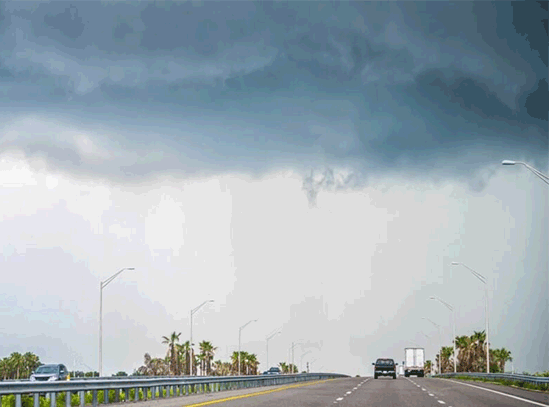
Car Accidents FAQs
Frequently Asked Questions About Car Accidents in Florida
What should I do immediately after a car accident?
After a car accident, ensure everyone’s safety, call 911, exchange information with the other driver, document the scene with photos, contact your insurance company, and consult an experienced car accident lawyer.
What is the 14-day accident law in Florida?
Under Florida’s 14-day accident law, car accident victims must seek medical evaluation and treatment within 14 days of their accident. Failing to do so will disqualify them from eligibility for personal injury protection (PIP) benefits.
What is a car accident report, and how can I request one in Florida?
A car accident report includes important details about the collision. You can request a copy by contacting the local police department or accessing the report online through the Florida Highway Safety and Motor Vehicles’ website.
How do I file a car accident claim in Florida?
To file a car accident claim, notify your insurance company promptly, provide all necessary documentation (including the accident report and medical records), and consider consulting an experienced car accident lawyer to ensure that the necessary legal aspects are covered. A Florida car accident attorney can guide you through the process and represent you, negotiating on your behalf and helping you avoid errors and pitfalls that can harm your claim.
Can I sue for emotional distress after a car accident in Florida?
Victims of a car accident can sue for emotional distress alongside other damages, such as medical expenses and lost wages.
-
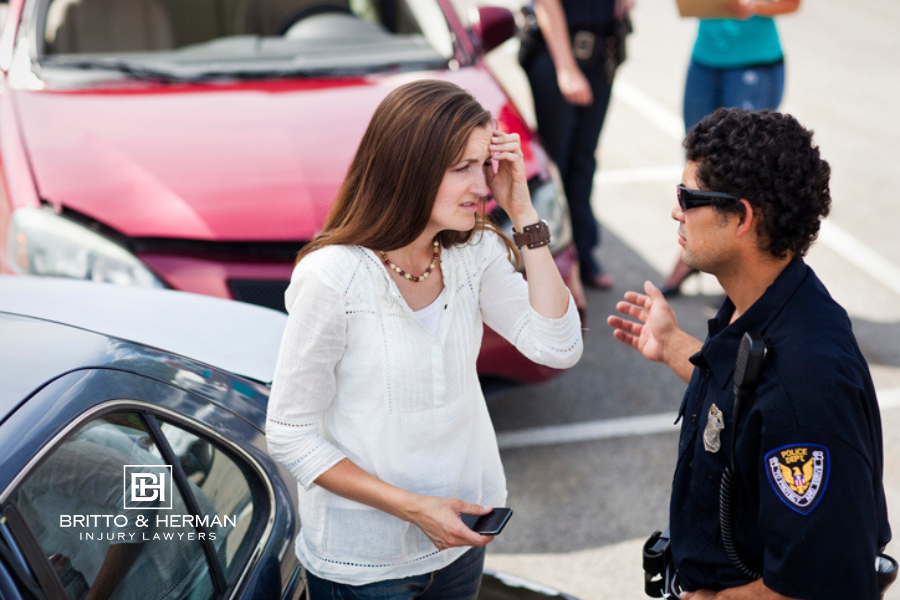
Do You Have to Call the Police After an Accident in Florida?
You’re cruising down a palm-lined Florida street, enjoying the sunshine and coastal breeze. Suddenly, the screech of tires breaks the calm, and you find yourself in a fender bender. As you step out of your car, a thousand thoughts race through your mind. Among them is a crucial question: “Do you have to call the police after an accident?” It’s a common dilemma faced by many Florida drivers, and the answer isn’t always straightforward. In the next few minutes, we’ll unpack this question and guide you through the ins and outs of Jupiter car accident reporting in the Sunshine State.
Florida’s Accident Reporting Laws
Florida law doesn’t require you to call the police for every fender bender, but there are specific situations where contacting law enforcement isn’t just recommended—it’s mandatory. According to Florida Statutes Section 316.065, you must report an accident to the police if:
- There are injuries or fatalities
- A vehicle needs to be towed from the scene
- The accident involves a commercial vehicle
- There’s suspicion of drunk driving
- One of the drivers leaves the scene (hit and run)
- There’s significant property damage, of at least $500
It’s important to note that assessing property damage, especially in the immediate aftermath of a crash, can be difficult. What may seem like minor damage at first glance could exceed the $500 threshold once a closer inspection is done. Given this uncertainty, when in doubt, it’s safer to call the police and have the accident documented properly to avoid any legal issues later.
Even if your situation doesn’t fall into these categories, calling the police can still be a wise decision. Let’s explore why.
Benefits of Calling the Police After an Accident
Creating an Official Record
When you call the police after an accident, they create an official accident report. This document can be invaluable for several reasons:
- It provides an unbiased account of the incident
- It includes important details you might forget later
- It can help with insurance claims
- It may be crucial if you need to take legal action later
Remember, in the stress of an accident, you might miss important details. A police officer is trained to gather all relevant information systematically.
Facilitating Evidence Collection
Police officers are experienced in collecting and documenting evidence at accident scenes. They can:
- Take photographs of the damage and accident scene
- Interview witnesses and collect their contact information
- Note road and weather conditions
- Identify and document any traffic violations that may have contributed to the accident
This evidence can be critical if there’s a dispute about who was at fault or if you need to make an insurance claim.
What to Do While Waiting for the Police
If you’ve decided to call the police, there are several steps you should take while waiting for them to arrive:
- Ensure your safety: If possible, move your vehicle to a safe location out of traffic
- Check for injuries: Make sure everyone involved is okay. If there are injuries, call 911 immediately
- Exchange information: Get the name, contact details, and insurance information of all parties involved
- Document the scene: If it’s safe to do so, take photos of the vehicles, damage, and surrounding area
- Find witnesses: If there are any witnesses, ask for their contact information
- Don’t admit fault: Even if you think you might be responsible, avoid saying so. Florida follows a comparative fault system, meaning fault can be divided between drivers. Let the police and insurance companies determine fault
When You Might Not Need to Call the Police
For minor accidents with no injuries and minimal property damage (under $500), you might choose not to involve the police. In these cases:
- Exchange information with the other driver(s)
- Take plenty of photos of the damage and accident scene
- File a report with your insurance company as soon as possible
However, keep in mind that what seems like minor damage could turn out to be more serious upon closer inspection. Injuries like whiplash or hidden vehicle damage might not be immediately obvious. When in doubt, it’s often better to err on the side of caution and call the police. Some insurance companies also require a police report to process claims, so be sure to check your policy requirements.
The Importance of Timely Reporting
If you don’t call the police at the scene, you’re not necessarily off the hook for reporting the accident. Under Florida Statutes Section 316.066, you must report any crash resulting in injury, death, or property damage over $500 within 10 days. You can do this by filing a Driver Report of Traffic Crash (Self Report) with the Florida Department of Highway Safety and Motor Vehicles (FLHSMV).
Failing to report an accident when required can result in serious consequences, including fines and potential license suspension. It’s always better to report an accident you’re unsure about than to risk the penalties of not reporting one you should have.
While you don’t always have to call the police after an accident in Florida, doing so can provide valuable protection and documentation. If there are injuries, significant damage, or any doubt about the severity of the accident, it’s wise to involve law enforcement. Remember, the immediate aftermath of an accident can be chaotic and stressful. Having a police officer on the scene can help ensure that all necessary information is collected and documented properly, potentially saving you from headaches down the road. Stay safe on those Florida roads, and remember: when in doubt, it’s better to make the call.
Searching Online for a “Personal Injury Lawyer Near Me?”
Your search ends here. If you’re looking for a personal injury lawyer after a car accident in Florida, you’re likely dealing with injuries, pain, and a host of unanswered questions. You might be wondering if you made the right choice about calling the police, or if it’s too late to file a report. These concerns shouldn’t burden you while you’re trying to recover.
At Britto & Herman Injury Lawyers, we understand the challenges you’re facing. Our team, led by Board Certified Trial Lawyer Daniel Britto, Esq. and his partner Michael S. Herman, Jr., Esq., has extensive experience helping injured Florida drivers like you. We know the intricacies of Florida’s accident reporting laws and how they can impact your injury claim.
Whether you called the police or not, we can help protect your rights and pursue the compensation you need for your recovery. Our Jupiter car accident lawyer team can guide you through the next steps, deal with insurance companies on your behalf, and ensure that all necessary documentation is in order.
Don’t let uncertainty about police involvement or accident reporting jeopardize your injury claim. Take the first step towards peace of mind and proper compensation. Call us at [phone_number dsk_contact=’true’/] or fill out our confidential online form to schedule a free consultation. Our office is conveniently located at 1001 W. Indiantown Road in Jupiter, and we’re available 24/7 to assist you.
Remember, time is critical in injury cases. The sooner you reach out, the sooner we can start addressing your concerns and protecting your interests. One call to Britto & Herman Injury Lawyers could make a significant difference in your recovery journey.
Let us handle the legal complexities while you focus on healing. Contact us today and get the support and guidance you need after your accident.
Copyright © 2024. Britto & Herman Injury Lawyers. All rights reserved.
The information in this blog post (“post”) is provided for general informational purposes only and may not reflect the current law in your jurisdiction. No information in this post should be construed as legal advice from the individual author or the law firm, nor is it intended to be a substitute for legal counsel on any subject matter. No reader of this post should act or refrain from acting based on any information included in or accessible through this post without seeking the appropriate legal or other professional advice on the particular facts and circumstances at issue from a lawyer licensed in the recipient’s state, country, or other appropriate licensing jurisdiction.
Britto & Herman Injury Lawyers
1001 W Indiantown Rd., Suite 101
Jupiter, FL 33458
[phone_number dsk_contact=’true’/]
https://staging.brittoherman.com/ -
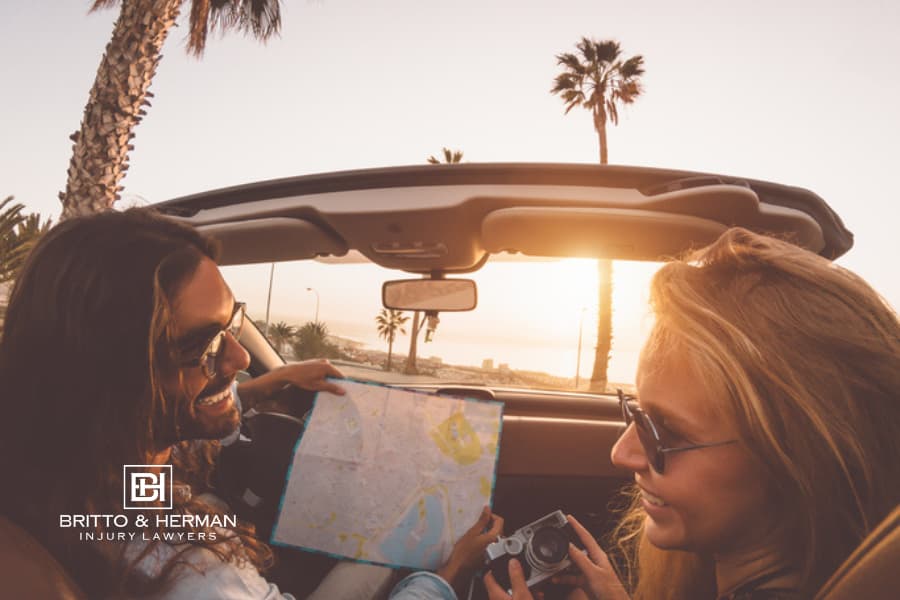
11 Tips to Stay Safe on Your Summer Road Trip in Florida
Whether you’re a Florida native looking to explore your home state or an eager traveler planning a vacation in the Sunshine State, a summer road trip is an excellent way to experience all that Florida has to offer. From its stunning beaches and thrilling theme parks to its vibrant cities and natural wonders, Florida promises an unforgettable adventure. However, before you hit the road, it’s crucial to prioritize your safety.
In this blog post, we’ll share 11 essential tips to ensure your Florida road trip is not only enjoyable but also safe and worry-free. Whether you’re a seasoned Floridian or a first-time visitor, these tips will help you navigate the state’s unique challenges and make the most of your summer journey.
1. Plan Your Route and Share Your Itinerary
Before setting off on your Florida road trip, take the time to plan your route in detail. Use resources like Google Maps, TripAdvisor, and local travel blogs to identify the best roads, scenic routes, and potential stops along the way. Consider factors such as travel time, road conditions, and construction projects that may impact your journey.
To ensure you’re prepared for any situation, it’s a good idea to have a printed map of your route as a backup in case you end up in an area with poor reception for GPS navigation. You can also download offline maps or instructions for your planned route, which can be accessed even without an internet connection.
Once you have your itinerary finalized, share it with a trusted friend or family member. Provide them with a copy of your planned route, estimated arrival times, and contact information for your accommodations. This way, someone will be aware of your whereabouts and can act quickly if an emergency arises.
2. Check Your Vehicle Before Departing
To ensure a smooth and safe road trip, give your vehicle a thorough inspection before departing. Start by checking your tire pressure and tread depth. Properly inflated tires with good tread can improve fuel efficiency and handling, especially in Florida’s rainy weather. Don’t forget to check your spare tire as well.
Next, examine your vehicle’s fluid levels, including engine oil, coolant, brake fluid, and windshield washer fluid. If any of these are low, top them off before hitting the road. It’s also a good idea to have your brakes inspected and replace any worn brake pads to ensure optimal stopping power.
Finally, test your vehicle’s battery, air conditioning, and windshield wipers. Florida’s heat and frequent rain showers can put extra strain on these components, so it’s crucial to make sure they’re functioning properly.
3. Stay Hydrated and Pack Snacks
Florida’s humid climate can quickly lead to dehydration, especially during the summer months. To stay hydrated on your road trip, carry a cooler filled with plenty of water bottles. Aim to drink at least 8 ounces of water per hour, and more if you’re engaging in physical activities or spending time outdoors.
In addition to water, pack a variety of healthy snacks to keep your energy levels up and minimize the need for frequent stops. Some great options include fresh fruits, vegetables, nuts, and granola bars. Avoid snacks high in sugar and sodium, as they can contribute to dehydration and make you feel sluggish.
4. Protect Yourself from the Sun
Florida is known for its abundant sunshine, which means protecting your skin should be a top priority during your road trip. Apply a broad-spectrum sunscreen with an SPF of at least 30 to all exposed skin, including your face, neck, arms, and legs. Remember to reapply every two hours, or more frequently if you’re swimming or sweating heavily.
In addition to sunscreen, wear protective clothing to shield your skin from the sun’s harmful rays. Opt for lightweight, breathable fabrics in light colors, and consider investing in UPF-rated clothing for extra protection. Don’t forget to wear a wide-brimmed hat and sunglasses with UV protection to safeguard your face and eyes.
5. Be Mindful of Wildlife
Florida is home to a diverse array of wildlife, from alligators and snakes to manatees and sea turtles. When exploring natural areas during your road trip, be mindful of your surroundings and take precautions to avoid disturbing or encountering wildlife.
Stick to designated trails and boardwalks, and avoid venturing into tall grass, brush, or murky water where animals may be hiding. If you do encounter wildlife, maintain a safe distance and never attempt to feed or interact with them. Remember, these are wild animals and can behave unpredictably if they feel threatened.
When driving, be especially cautious at dawn and dusk when many animals are most active. If you spot an animal on the road, slow down and wait for it to cross safely. Avoid swerving, as this can cause you to lose control of your vehicle and potentially lead to a serious accident.
6. Know the Local Traffic Laws
Before embarking on your Florida road trip, familiarize yourself with the state’s traffic laws to avoid any legal trouble or unsafe situations. One important law to keep in mind is Florida’s “Move Over” law, which requires drivers to move over one lane or slow down when approaching stopped emergency vehicles, sanitation vehicles, or tow trucks.
Florida also has strict laws regarding the use of cell phones while driving. Texting while driving is illegal, and handheld phone use is prohibited in school and work zones. Familiarize yourself with these laws and invest in a hands-free device if needed to stay safe and avoid fines.
7. Be Prepared for Inclement Weather
Florida is known for its sudden afternoon thunderstorms and explosive hurricanes, so it’s essential to be prepared for inclement weather during your road trip. Keep an eye on the weather forecast and plan your route accordingly. If you do encounter heavy rain or strong winds while driving, reduce your speed, turn on your headlights, and increase your following distance to allow for longer stopping times.
If conditions become too dangerous to continue driving, look for a safe place to pull over, such as a rest area or parking lot. Avoid stopping on the shoulder of the road, as this can put you at risk of being hit by other vehicles. Wait for the storm to pass before continuing your journey.
It’s also a good idea to pack an emergency kit in case you get stranded during inclement weather. Include items such as a flashlight, extra batteries, a first-aid kit, bottled water, non-perishable snacks, and a battery-powered radio to stay informed about weather updates and road conditions.
8. Keep Your Valuables Secure
Tourist areas in Florida can be prime targets for thieves, so it’s crucial to keep your valuables secure during your road trip. When leaving your vehicle unattended, always lock your doors and keep any valuable items, such as electronics, jewelry, or cash, out of sight. Consider storing them in the trunk or a hidden compartment, or better yet, bring them with you if possible.
When staying at hotels or vacation rentals, use the provided safe or lockbox to store your valuables. Avoid leaving them in plain sight or unattended in common areas. If you’re visiting the beach or a water park, use a waterproof bag or a locker to keep your belongings safe while you swim.
9. Stay Alert and Avoid Distractions
Distracted driving is a major cause of accidents, so it’s essential to stay focused and alert while behind the wheel. Avoid using your phone, eating, or engaging in other activities that take your attention away from the road. If you need to make a call, send a text, or program your GPS, pull over to a safe location first.
To maintain your focus during long stretches of driving, take regular breaks to stretch your legs, use the restroom, and refresh yourself. Plan to stop every 2-3 hours or whenever you feel fatigued. If possible, switch drivers periodically to avoid drowsy driving.
10. Have Emergency Contacts on Hand
Before setting off on your Florida road trip, create a list of emergency contacts and keep it easily accessible. Include the names, phone numbers, and addresses of family members, friends, and any local contacts you may have in Florida. Also, research and save the contact information for roadside assistance services, such as AAA or your vehicle’s manufacturer.
In addition to your digital list, keep a physical copy of your emergency contacts in your glove compartment or another easily accessible location in your vehicle. In case your phone runs out of battery or you’re in an area with poor reception, you’ll still have a way to reach out for help if needed.
11. Trust Your Instincts
Finally, trust your instincts when it comes to safety during your Florida road trip. If a situation feels unsafe or uncomfortable, don’t hesitate to remove yourself from it. Whether it’s a sketchy rest stop, a suspicious individual, or a potentially dangerous road condition, it’s always better to err on the side of caution.
If you do find yourself in a situation where you feel threatened or witness suspicious activity, don’t hesitate to contact local authorities. Call 911 in case of an emergency, or reach out to the non-emergency number of the local police department for less urgent situations.
By following these tips, you’ll be well-equipped to have a safe and enjoyable summer road trip through Florida. Remember, prioritizing your safety and well-being will allow you to fully enjoy all the amazing experiences the Sunshine State has to offer.
Stay Safe on the Road, But Know Help Is Available if You Get in a Car Accident
While we hope that your Florida road trip is filled with only happy memories and safe travels, it’s important to remember that accidents can happen to even the most cautious drivers. If you or someone you love is involved in a car wreck, know that you don’t have to face the aftermath alone. The dedicated car wreck attorneys at Britto & Herman Injury Lawyers are here to help you navigate the legal process and fight for the maximum compensation for your injuries.
Our skilled attorneys, led by Board Certified Trial Lawyer Daniel Britto, Esq. and his partner Michael S. Herman, Jr., Esq. have over 30 years of combined experience handling complex car accident cases. We can help you understand Florida’s unique laws, communicate with insurance companies, and fight for the best possible outcome in your case.
We understand the physical, emotional, and financial challenges that come with being involved in a serious collision, and are committed to providing compassionate, personalized legal representation to each and every client.
If you find yourself searching for a “car wreck lawyer near me” following an accident on your Florida road trip, look no further than Britto & Herman. We offer free, no-obligation consultations to help you understand your legal options and make informed decisions about your case.
Don’t wait to get the legal help you need after a car wreck. Contact us today at (561) 835-5555 or complete our online form to schedule your free consultation with a skilled Jupiter personal injury lawyer. Our office is conveniently located in Jupiter at 1001 W. Indiantown Road, and we serve clients throughout the Jupiter area and beyond. For your convenience, we also offer 24/7 availability, virtual consultations, and a streamlined, paperless process to ensure your legal journey is as smooth as possible.
Copyright © 2024. Britto & Herman Injury Lawyers. All rights reserved.
The information in this blog post (“post”) is provided for general informational purposes only and may not reflect the current law in your jurisdiction. No information in this post should be construed as legal advice from the individual author or the law firm, nor is it intended to be a substitute for legal counsel on any subject matter. No reader of this post should act or refrain from acting based on any information included in or accessible through this post without seeking the appropriate legal or other professional advice on the particular facts and circumstances at issue from a lawyer licensed in the recipient’s state, country, or other appropriate licensing jurisdiction.
Britto & Herman Injury Lawyers
1001 W Indiantown Rd., Suite 101
Jupiter, FL 33458
(561) 835-5555
https://staging.brittoherman.com/ -
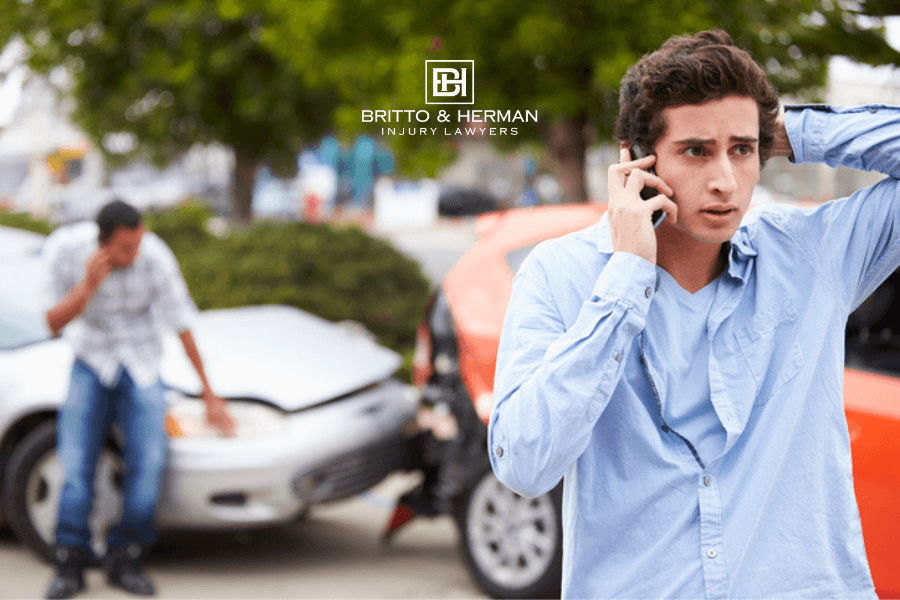
What Happens if Someone Borrowed My Car and Got in an Accident in Florida?
Picture this: you’re hosting a family gathering when you realize you’ve run out of beverages. Your friend offers to make a quick run to the store to restock. However, his car is blocked in, so you lend him your vehicle keys without a second thought. Shortly after, you receive an unsettling phone call from him informing you that he’s been involved in an accident while driving your car — and it was his fault.
After the initial shock, as the vehicle owner you’re left wondering, “Am I liable if someone borrowed my car and got in an accident in Florida?” In this blog, we’ll delve into the potential repercussions you might face and how you can handle this challenging situation.
Florida’s Dangerous Instrumentality Doctrine
The first thing you need to know is that Florida follows the Dangerous Instrumentality Doctrine, which states that the owner of a vehicle is liable for any damages or injuries caused by the operator of the vehicle, as long as the owner has given their consent. This means that if you lend your car to someone and they cause an accident, you could be held responsible for the resulting damages and injuries, even if you weren’t present at the time of the incident.
Insurance Coverage
When you lend your car and an accident occurs, it’s important to understand how your auto insurance policy will respond. Here’s what typically happens:
Primary Coverage
Your insurance policy usually serves as the primary coverage when someone else is driving your car with your consent – because insurance applies to the vehicle, not the driver. This means that in the event of an accident, your insurance company will handle the claims up to the limits of your policy. It covers damages or injuries caused to others and may cover your vehicle depending on your type of coverage.
Types of Coverage
- Liability Insurance: This is mandatory in Florida and covers injuries or damages your vehicle causes to others.
- Collision Insurance: Pays for damage to your vehicle from the collision, regardless of who is at fault. You will need to pay the deductible, which you may want to discuss with the person who borrowed your car.
- Comprehensive Insurance: Covers damages from non-collision related incidents such as theft or natural disasters.
- Personal Injury Protection (PIP): Mandatory in Florida due to its no-fault system, covering medical expenses for injuries to the driver and passengers.
Exceeding Policy Limits
If the damages from an accident exceed your policy limits, you could be personally liable for the excess amount. However, if the borrower of your car has their own insurance, their policy might cover the additional costs. It’s crucial to understand the interplay between different insurances to protect yourself financially.
Uninsured/Underinsured Motorist Coverage
This coverage is crucial if the accident involves a driver who does not have adequate insurance. It helps cover your expenses that the other party’s insurance cannot.
Always review and understand your insurance policy before lending your vehicle. If in doubt, contact your insurance provider to clarify how your coverage works when someone else is driving your car. Being well-informed can help you make better decisions about whether to allow someone else to borrow your car.
Dealing with the Aftermath
After addressing the insurance implications, it’s crucial to know what steps to take if your car has been involved in an accident while it was borrowed. Here’s how to handle the situation effectively:
- Instruct the borrower to gather essential information, including requesting a police report, collecting witness statements, and taking photos of the damage.
- Report the accident to your insurance company and provide them with the information collected by the borrower. Your insurer may assign a claims adjuster to evaluate the accident details and determine the appropriate payout.
- Maintain communication with the borrower, ensuring they cooperate with your insurance company’s investigation and claims process. Relay any updates or requirements between the borrower and your insurer.
- Discuss financial considerations, such as out-of-pocket expenses and reimbursement agreements with the borrower to avoid misunderstandings and preserve personal relationships.
- Monitor the progress of the insurance claim and maintain open lines of communication with all parties involved to help reduce the stress and financial impact of the accident.
By efficiently managing these steps, you can navigate the aftermath of an accident involving your borrowed car with greater ease and clarity.
When to Seek Legal Help
If someone borrowed your car and got in an accident in Florida, you might be wondering whether you need to hire a car crash attorney. While not every situation requires legal representation, there are several scenarios where seeking the advice and guidance of a car crash attorney can be crucial:
- Serious Injuries or Property Damage: If the accident caused significant injuries or extensive property damage, you may face a lawsuit from the injured parties or their insurance companies. In this case, having an experienced attorney on your side can help protect your rights and minimize your legal and financial liability.
- Disputed Liability: If there are questions or disagreements about who is at fault for the accident, or if the borrower is claiming that you bear some responsibility, an attorney can help investigate the circumstances and build a case to defend you.
- Complex Insurance Issues: When someone borrows your car and causes an accident, navigating the insurance claims process can be complicated. If you’re unsure about your coverage, or if there are disputes with the insurance companies involved, an attorney can provide valuable guidance and advocacy.
- Uninsured or Underinsured Borrower: If the person who borrowed your car doesn’t have insurance, or if their coverage is insufficient to pay for the damages they caused, you may need to rely on your own insurance. An attorney can help you understand your options and pursue all available sources of compensation.
- Legal Questions or Concerns: If you have any legal questions or concerns related to the accident, such as how Florida’s dangerous instrumentality doctrine might apply to your case, or what steps you need to take to protect yourself, consulting with an attorney can provide the answers and peace of mind you need.
Remember, even if you’re unsure whether you need legal representation, it’s always a good idea to consult with a car crash attorney after an accident. Many attorneys offer free initial consultations, so you can discuss your case and get a professional opinion on your best course of action without any upfront costs. Ultimately, having an experienced legal advocate on your side can help ensure that your rights are protected and that you achieve the best possible outcome in your case.
Get the Legal Help You Need When Someone Borrowed Your Car and Caused an Accident
If someone borrowed your car and got in an accident in Florida, you might be feeling stressed and confused about your legal rights and responsibilities. Don’t waste valuable time searching online for a “car wreck attorney near me.” The knowledgeable team at Britto & Herman Injury Lawyers is here to guide you through this challenging situation and help protect your interests.
As a vehicle owner, you may face legal and financial consequences, even if you weren’t behind the wheel at the time of the accident. Our skilled attorneys, led by Board Certified Trial Lawyer Daniel Britto, Esq. and his partner Michael S. Herman, Jr., Esq. have over 25 years of combined experience handling complex car accident cases. We can help you understand Florida’s unique laws, communicate with insurance companies, and fight for the best possible outcome in your case.
Don’t face the aftermath of a borrowed car accident alone. Contact Britto & Herman Injury Lawyers today at (561) 835-5555 or complete our online form for a free, no-obligation case review with a Jupiter personal injury attorney. We offer 24/7 availability, virtual consultations, and a streamlined, paperless process to ensure your legal journey is as smooth as possible.
Copyright © 2024. Britto & Herman Injury Lawyers. All rights reserved.
The information in this blog post (“post”) is provided for general informational purposes only and may not reflect the current law in your jurisdiction. No information in this post should be construed as legal advice from the individual author or the law firm, nor is it intended to be a substitute for legal counsel on any subject matter. No reader of this post should act or refrain from acting based on any information included in or accessible through this post without seeking the appropriate legal or other professional advice on the particular facts and circumstances at issue from a lawyer licensed in the recipient’s state, country, or other appropriate licensing jurisdiction.
Britto & Herman Injury Lawyers
1001 W Indiantown Rd., Suite 101
Jupiter, FL 33458
(561) 835-5555
https://staging.brittoherman.com/